







Colored Contacts Color Guide: Pick Your Shade in 5 Minutes
Warm or cool, subtle or loud, office or festival — three questions, one shade. The decision tree that ends the twelve-tab comparison spiral, with links to every deep-dive.
There are eleven color families on this site and a dozen guides comparing them — useful once you're close, paralyzing when you're starting from "I want colored contacts, which ones?" This page is the decision tree. Three questions, five minutes, and you leave with a shade and a link to its deep-dive.
Question 1: warm or cool?
Look at your jewelry. If gold flatters you more, you're warm-toned; if silver does, you're cool-toned; if you honestly can't tell, you're neutral and both aisles are open. This single split does more work than any other filter: warm undertones glow in hazel, honey brown, amber and warm green; cool undertones shine in gray, blue, violet and cool emerald. Fighting your undertone is why a color that looked incredible on someone else looks slightly "off" on you — the lens is fine, the temperature is wrong.
Question 2: do you want people to notice the color, or notice you?
"I want better, not different" → stay within one or two steps of your natural color: browns, hazels and soft greens like Magic Hazel or Cloud Green. People will say you look rested, awake, "did you change your hair?" — anything but "are those contacts?"

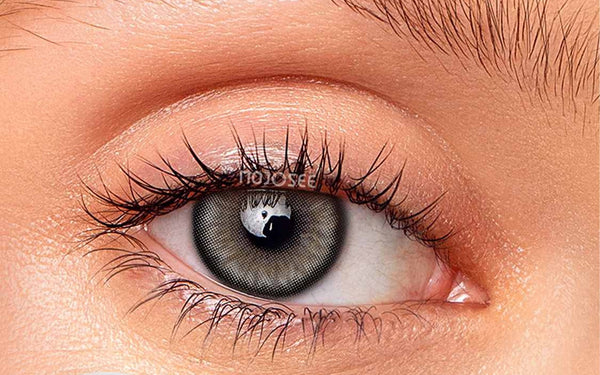
"I want a visible change that still reads human" → two to four steps lighter: gray, vivid green, warm amber like Cleopatra Hazel. This is the biggest category and the sweet spot for most first buyers.

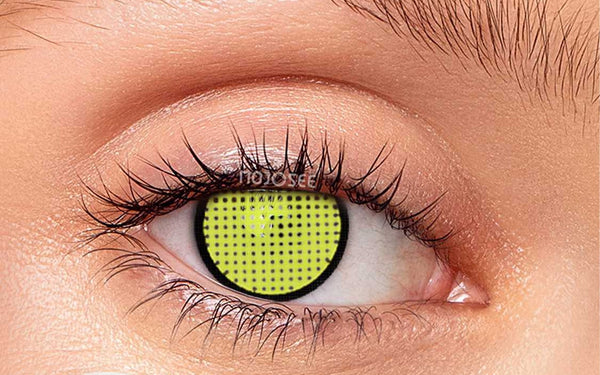
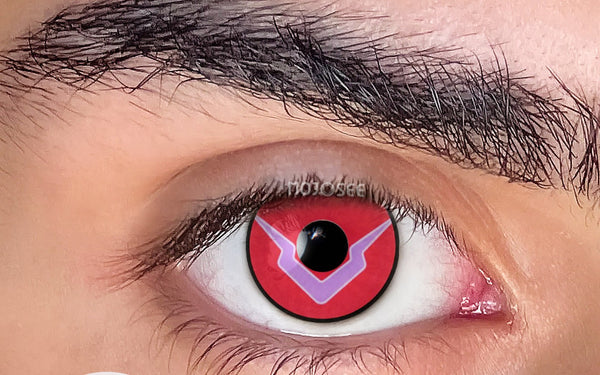
"I want a statement" → violet, pink, bright blue like Vika Tricolor Blue, or full anime and cosplay territory. Nothing wrong with loud — just choose it on purpose.

Question 3: where are you wearing them?
Daily and office: browns, hazels, soft grays — the shades that survive fluorescent lighting and HR. Dates and dinners: anything in the "visible change" tier; low warm light flatters hazels and ambers especially. Camera, content, events: go one step bolder than feels natural in the mirror — lenses lose about a step of intensity in photos. Cosplay: skip the tree entirely and match the character (the character table does it for you).
Now go deep on your shade
Browns and hazels: hazel vs brown compared. Grays, blues, greens: the cool-side comparison. Yellow and amber: the yellow guide. Pinks and purples: fashion colors without costume vibes. Can't commit to a single color: the rainbow guide. Deep skin tones: what actually flatters. Dark irises: the opacity rules. Men: the men's guide. And whatever you pick, the pattern guide explains why two lenses in the same color can look completely different.
The two-lens capsule: how to own less and cover everything
Most people over-buy lenses the way they over-buy clothes — a drawer of impulse colors, two of which actually get worn. The fix is a deliberate capsule. Lens one, your everyday: a natural enhancer a step from your real color (hazel or soft brown for warm undertones, soft gray for cool). This covers work, daylight, video calls, anywhere you want "great eyes" without questions. Lens two, your statement: one bolder color for events, dates and content — vivid green, blue, gray or violet depending on your undertone. Those two lenses handle roughly 95% of real situations, exactly like owning one gold and one silver piece of jewelry instead of twelve. Add costume pairs seasonally as events demand, but resist building the collection first — you'll wear the capsule and ignore the rest. Buy the everyday one first, live in it for a month, and let your actual habits tell you what the statement lens should be.
See it worn on camera
Green versus blue on the same face, back to back: Hera Blue and Aphrodite worn in one video. Green reads warm and quiet on a bare face; the blue timeline leans fully cold — white wig, butterfly rhinestones. If you are stuck between color families, watching one face switch is faster than any chart.
See green and blue tried on the same face, side by side
FAQ
What's the best colored contact color for beginners?
A textured hazel or soft gray in the "visible change" tier — enough transformation to be worth it, natural enough to wear anywhere while you learn your preferences.
How do I know if I'm warm or cool toned?
The jewelry test (gold vs silver), or check your wrist veins in daylight: greenish veins suggest warm, bluish suggest cool, a mix means neutral.
Should men pick colors differently?
Same tree, slightly more conservative execution — natural diameters and smoke-toned versions of each color. The men's gray guide shows the tiering logic.
Can I wear different colors on different days?
Absolutely — that's the point of yearly lenses at this price range. A two-lens wardrobe (one natural brown/hazel, one statement gray/violet) covers 95% of situations.
What colored contact color should I get first?
A natural enhancer a step from your real color — hazel or soft brown if you're warm-toned, soft gray if you're cool-toned. It's the most wearable, hardest-to-get-wrong choice, and living in it for a month teaches you what your bolder second lens should be.
How do I pick a color that suits me specifically?
Two filters: undertone (gold jewelry flatters you → warm colors; silver → cool colors) and goal (subtle upgrade → stay near your natural shade; visible change → go two to four steps lighter). Those two questions narrow eleven color families down to two or three that will actually work on you.
You might also like
Picked to match this guide — every pair in stock now.
 Polar Lights Blue Gray Prescription Colored $19.98per pair (2 lenses)
 Starry sky Gray Prescription Colored Contact$22.98per pair (2 lenses)
 Polar Lights Brown Prescription Colored Cont$21.98per pair (2 lenses)
 Polar Lights Gray Prescription Colored Conta$21.98per pair (2 lenses)
Explore more: Colored Contacts for Dark Eyes →