







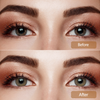
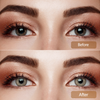
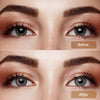
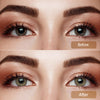

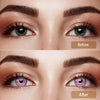





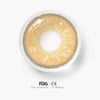
Brown Contacts
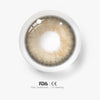
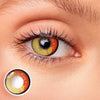
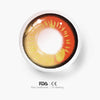
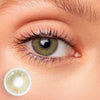
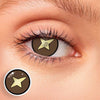
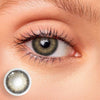
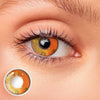
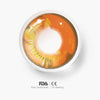
Natural brown colored contacts: honey, chocolate, hazel-brown and gray-brown tones. Brighten dark eyes or warm up light eyes. Prescription & plano options.
Do brown contacts look natural?
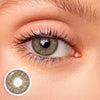
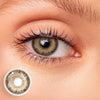
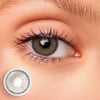
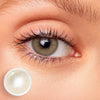
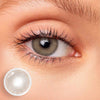
Brown contacts are the most natural-looking colored lenses because brown is the world's most common eye color. A honey or caramel lens on...
Brown Contacts: The Most Natural Color Change
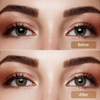
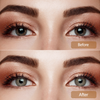
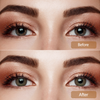
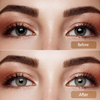
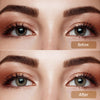
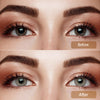
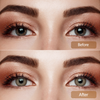
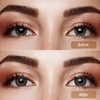
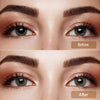
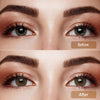
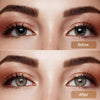
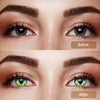
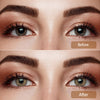
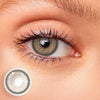
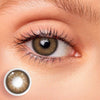
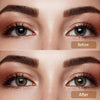
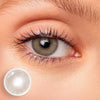
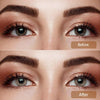
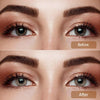
Brown contacts are the easiest colored lenses to wear convincingly — they don't change what people see so much as how your eyes read: brighter, warmer, more defined. If your eyes are already dark brown, a lighter honey or caramel lens visibly lifts and brightens them. If your eyes are light, a deep chocolate brown adds intensity and depth.
Shades of Brown, Explained
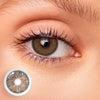
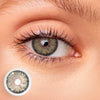
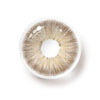
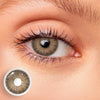
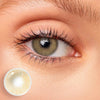
Honey and caramel are the top choice for dark brown eyes: they lighten the iris one or two steps while staying completely believable. Chocolate and espresso deepen and even out the iris — popular for a uniform, polished look. Hazel-brown blends brown with green-gold for a sunlit effect. Gray-brown and smoky tea tones give the trending "blurred" K-beauty look that softens the whole face.
Brown Contacts on Dark Eyes
Because brown lenses work with your natural pigment instead of against it, even semi-opaque browns show well on dark eyes — this is the one color family where you don't have to worry about coverage. For the most visible brightening, pick a lens at least two shades lighter than your natural iris with a defined limbal ring.
Materials and Safe Wear
All lenses are soft hydrogel (HEMA) with sandwich pigment construction and UV-blocking. Wear 6–8 hours, clean with fresh multipurpose solution after each use, never share lenses, and replace on schedule. Available in plano and prescription powers.
Frequently Asked Questions
Do brown contacts look natural?
Brown contacts are the most natural-looking colored lenses because brown is the world's most common eye color. A honey or caramel lens on dark eyes, or a chocolate lens on light eyes, is almost impossible to detect as a contact.
What do brown contacts do for dark brown eyes?
On dark brown eyes, lighter brown lenses (honey, caramel, hazel-brown) brighten and lift the iris one to two shades, making eyes look larger and more awake while staying believable.
What is the difference between hazel and brown contacts?
Brown lenses are a single warm tone from honey to espresso. Hazel lenses mix brown with green and gold, shifting color between lighting conditions — choose hazel if you want a lighter, multi-tonal effect.
Can I get brown contacts with my prescription?
Yes. Most brown lenses in this collection come in plano (0.00) and a full range of prescription powers.
How long do brown colored contacts last?
Follow the replacement period printed for each lens and never wear lenses past it. Store in fresh solution, clean after every wear, and replace the case regularly.
Which brown suits warm versus cool skin tones?
Warm undertones glow with honey, amber, and caramel lenses; cool undertones pair better with taupe-browns and cooler chocolate shades. Neutral undertones can wear the whole brown family. Because brown stays within natural eye-color territory, even an 'imperfect' match still reads believable — it's the most forgiving color to choose.
Do brown contacts make eyes look bigger?
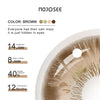
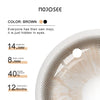
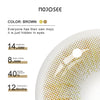
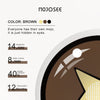
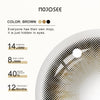
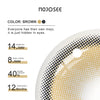
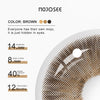
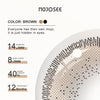
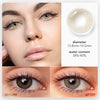
The circle-lens designs in this collection do — a 14.4–14.5mm brown lens with a darker outer ring visibly enlarges the iris while staying in a natural color, which is the classic 'bigger eyes without obvious lenses' formula. For size-neutral enhancement, stay at 14.0–14.2mm.
Are brown lenses worth it for everyday and office wear?
Brown is the definitive everyday lens: it brightens, adds iris detail, and defines the eye without changing your identifiable eye color. Nobody clocks brown lenses as lenses. If you want one pair to wear anywhere — work, dates, photos, family events — brown or hazel is that pair.
What's the difference between honey, caramel, and chocolate shades?
Honey is the lightest and brightest — a visible lift on dark eyes. Caramel sits mid-range with golden warmth, the most universally flattering. Chocolate adds depth and pattern rather than lightness, ideal when you want definition and texture instead of a lighter color. First pair: caramel.
Do brown contacts photograph well?
Beautifully — warm brown pigment reflects light that dark natural irises absorb, so eyes photograph brighter and more dimensional while staying recognizably you. Golden-hour and daylight photos show the effect most; even indoor shots gain visible iris detail instead of flat darkness.
How much is shipping?
US orders over $49 ship free; international orders over $69 ship free; Express is $10.99 at checkout. Standard delivery typically takes two to four weeks. Two pairs usually clears free shipping and sets up a rotation.
How do I clean brown contacts?
After each wear: rub gently with fresh multipurpose solution, rinse both sides, and store fully submerged in a clean case with new solution. Replace the case every three months and keep lenses away from all water. Consistent care keeps a yearly lens comfortable to its full lifespan.
Can I nap in brown contacts?
No — all sleep is lenses-out, including short naps. A soft lens under a closed lid starves the cornea of oxygen, and infection risk climbs fast. Twenty seconds of removal protects months of comfortable wear.
Can I wear brown lenses with astigmatism?
These are spherical lenses without astigmatism correction. Mild astigmatism generally wears plano cosmetic lenses comfortably; moderate or higher should get an eye doctor's go-ahead first. Order your true prescription power if you need correction — never approximate.
My eyes feel dry in the afternoon — what should I do?
Keep contact-safe rewetting drops handy, blink fully during screen work, and stay hydrated — most wearers are comfortable 6–8 hours. If dryness consistently arrives earlier, shorten wear time and give your eyes lens-free days. Comfort is the boundary; respect it and lenses stay easy.


