






Affordable Colored Contacts That Look Expensive: A Smart Shopper's Guide
Expensive-looking eyes aren't about spend — they're about texture, size and rim. How to choose affordable lenses that read premium, and the one place you should never economize.
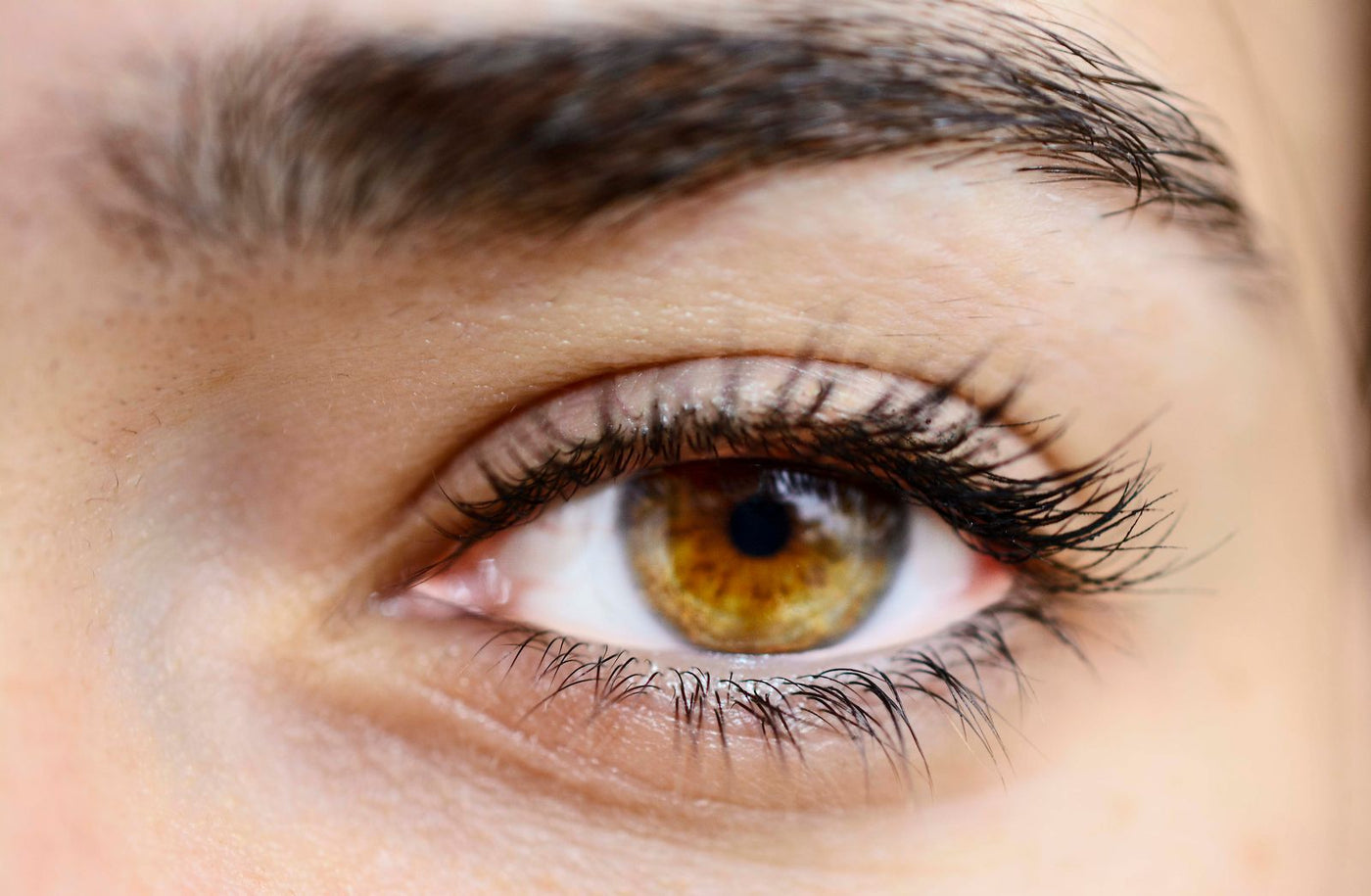
The lenses that look most expensive aren't always the priciest — "premium" on the eye is a set of design choices you can shop for at any budget. Here's how to make an affordable pair read high-end, and the single corner you should never cut to save a dollar.
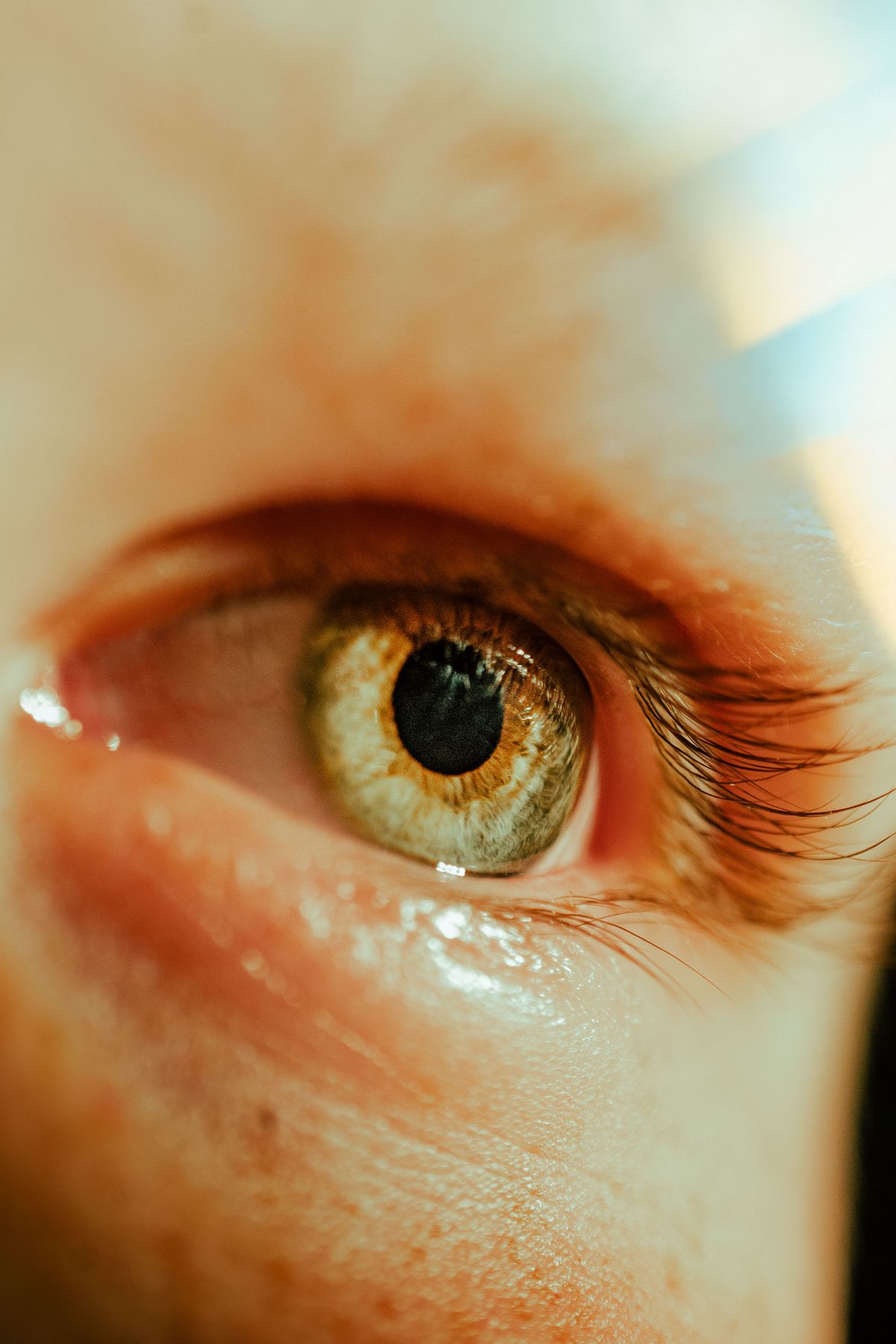
What actually reads as "expensive"
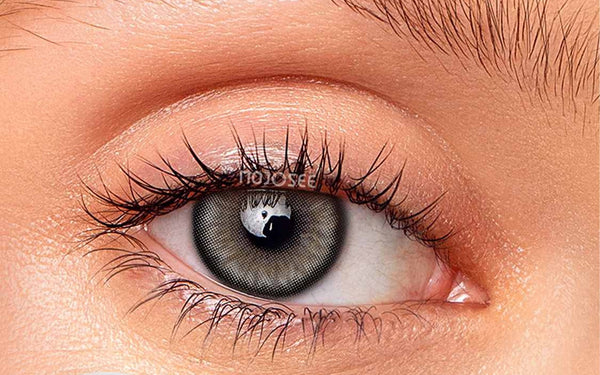
Three things, none of which cost extra: tricolor texture (radial, multi-tone patterns mimic real irises; flat solids look cheap up close), natural diameter (14.0–14.2mm reads real; oversized reads costume), and a soft graduated rim (a harsh black ring looks printed, a blended edge looks born-in). A well-made $12 tricolor like Athena Sugar Gray reads more expensive than a flat $25 novelty lens. The full mechanics are in the pattern guide and why contacts look fake.

Shop by shade strategically
Colors closest to your natural eye always look most expensive because they invite the least scrutiny — brown-eyed shoppers get the most premium read from hazels and warm browns like Pure Hazel or Dubai Brown. Bold colors can look premium too, but only with tricolor texture doing the work; a flat bright color is where "cheap" shows. Match the shade to your undertone (the color guide walks it through) and the same lens looks twice its price.

The value math: cost per wear
Price-per-pair is the wrong metric — cost-per-wear is the real one. A yearly lens worn regularly costs pennies per wear; a daily disposable costs more per wear but zero in cleaning, storage and risk. For frequent wear, yearly lenses win the math; for occasional or event wear, dailies avoid paying to store a pair you'll barely use. Figure out your rhythm (the lifespan guide lays out the clocks) and buy to it.
The corner you never cut
Save on style, color and brand cachet — never on verifiable safety. A cheap lens with sandwiched pigment, listed material and water content, sealed dated packaging and a real seller is fine; a cheaper lens missing those is a gamble with your cornea, not a bargain. The 60-second listing check in the quality guide is the line: affordable and verifiable, yes; cheap and untraceable, never.
Build a two-lens capsule
You don't need a drawer of lenses to look expensive — you need two good ones: a natural everyday shade (hazel/brown/soft gray) and one statement color for events. That capsule covers office, dates and nights out for the price of a couple of nice lunches, and looks more considered than a pile of impulse-buy novelties. The wardrobe logic is in outfit styling.
The tells that scream "cheap" — and how to avoid each
Looking inexpensive on the eye comes down to a short list of visual tells, every one of which you can design around at any budget. The hard printed ring: a stark black circle where lens meets iris reads as plastic — choose a soft graduated rim instead. The flat color block: one uniform disc of color with no texture looks pasted on — pick tricolor or gradient designs that mimic real iris streaks. The wrong size: an oversized lens with no natural white showing reads costume, not chic — stay 14.0–14.2mm. The mismatched shade: a color that fights your undertone looks "off" in a way people read as cheap even when they can't explain it — match warm-to-warm, cool-to-cool. The overshiny finish: some bargain lenses have an unnaturally glossy print that catches light wrong. Notice that not one of these is about price — they're all about design choices, which means a $12 lens that avoids them outperforms a $30 lens that doesn't. Shop for the absence of these five tells and an affordable lens reads as expensive; that's the entire trick.
FAQ
How do I make cheap colored contacts look expensive?
Choose tricolor texture over flat color, a natural 14.0–14.2mm diameter, and a soft rim — then pick a shade close to your natural eye. Those choices read premium regardless of price.
Are affordable colored contacts safe?
Yes, if verifiable: sandwiched pigment, listed material and water content, sealed dated packaging, real seller. Affordable is fine; untraceable and undated is what to avoid, at any price.
What's the most cost-effective colored contact?
For regular wear, yearly lenses win on cost-per-wear. For occasional or event wear, daily disposables avoid paying to store and maintain a barely-used pair. Match the format to how often you'll wear them.
Which colors look most high-end?
Shades near your natural eye with tricolor texture — hazels and warm browns on dark eyes read especially premium. Bold colors can look expensive too, but only with real multi-tone texture, never flat.
Is it worth paying more for colored contacts?
Up to a point. Extra money reliably buys sandwiched pigment, consistent quality control and honest specs — worth having. Past that you're paying brand premium, which doesn't change how the lens looks on your eye. The sweet spot is a mid-priced lens with verifiable specs and the right design; that beats both the bargain-bin no-name and the overpriced flat-color designer pair.
What's the most cost-effective colored contact?
For regular wear, a yearly lens wins on cost-per-wear — pennies per use if worn often and cleaned well. For occasional wear, daily disposables avoid paying to store and maintain a barely-used pair. Match the format to how often you'll actually wear them, and the cheapest option is the one that fits your rhythm.
You might also like
Picked to match this guide — every pair in stock now.
 Vika Tricolor Blue Colored Contact Lenses$21.98per pair (2 lenses)
 Polar Lights Blue Gray Prescription Colored $19.98per pair (2 lenses)
 Starry sky Gray Prescription Colored Contact$22.98per pair (2 lenses)
 Polar Lights Brown Prescription Colored Cont$21.98per pair (2 lenses)
Explore more: Colored Contacts for Dark Eyes →