








Daily vs Monthly vs Yearly Colored Contacts: Which Cycle Should You Buy?
Yearly lenses are not "365 wears" and daily lenses are not a rip-off. The opened-vial rule, the cost-per-wear math, and which cycle fits your habits.
The replacement cycle is the most misunderstood spec on a lens page — and buying the wrong cycle either wastes money or risks your eyes. Here is what the labels actually mean.
The rule everyone gets wrong
The clock starts when the vial is opened, not when the lens is worn. A yearly lens opened on October 1st expires the following October 1st — whether you wore it two hundred times or twice. Once the seal breaks, the lens is hydrating, aging and accumulating deposits in solution regardless of use.
The four cycles, honestly
Daily disposables
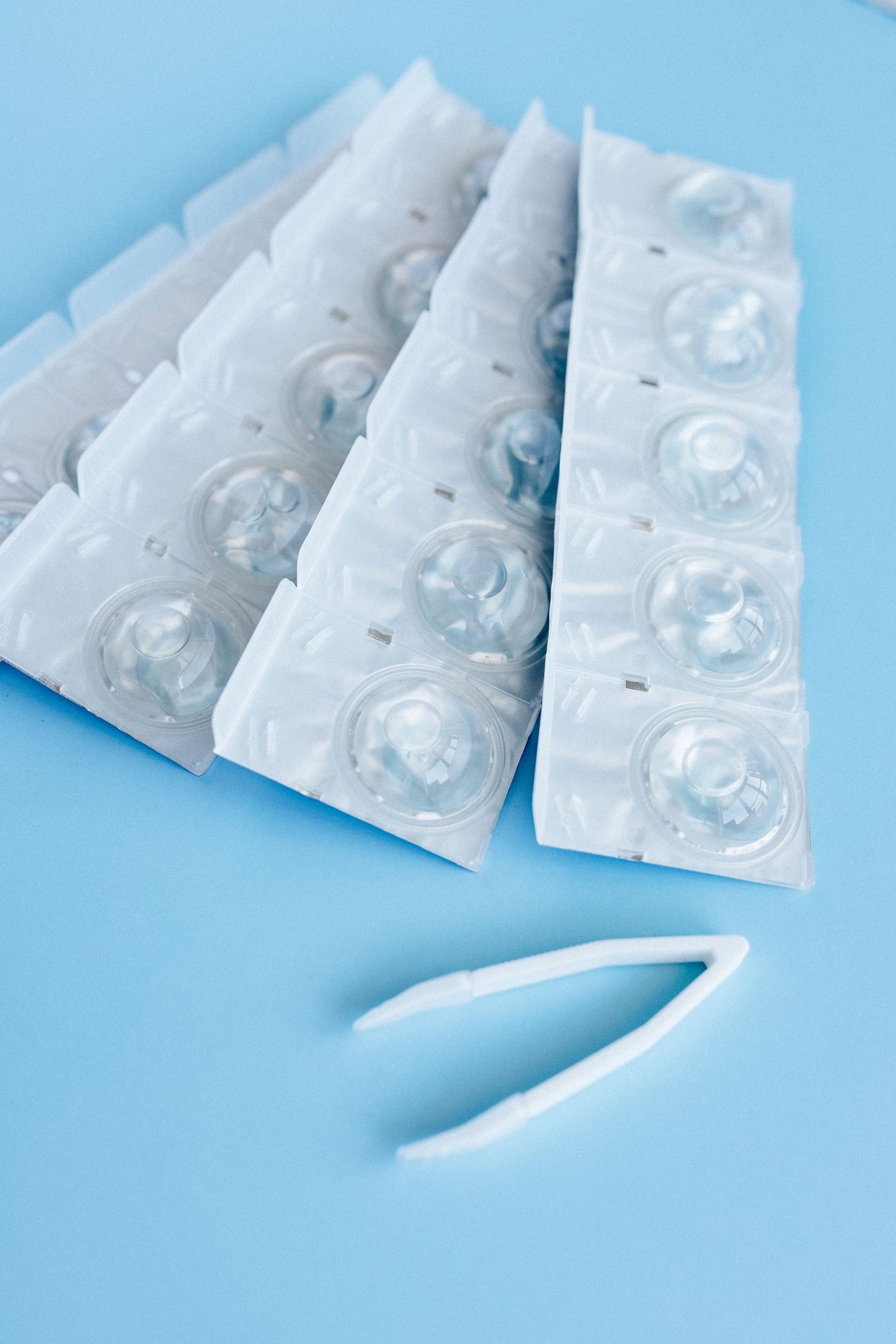
Fresh sterile pair every wear, zero cleaning, zero case. Highest cost per wear but lowest effort and lowest infection risk — and the only sensible choice if you wear lenses a few times a month or want corrective powers for occasional looks. Filter for daily disposables using the cycle spec on product pages.
Monthly
The balance point for 2–4 wears a week: enough freshness, meaningful savings, one case to maintain.
Half-yearly (6 months)
The sweet spot for cosmetic lenses you rotate — one natural pair plus one or two effect pairs. Enough lifespan to be economical, short enough that deposits never get ahead of you.
Yearly
Best value only for a lens you actually wear weekly. A yearly lens as your everyday signature color: great economics. A yearly lens for one Halloween: you are paying for eleven unused months — see the deadline math in the Halloween guide and buy the cheaper shorter cycle instead.
Cost-per-wear, quickly
Divide price by realistic wears. A $25 yearly lens worn twice a week ≈ $0.24 per wear. The same lens worn twice total: $12.50 per wear — at that point dailies or a 6-month lens win. Be honest about your habits before you optimize for sticker price.
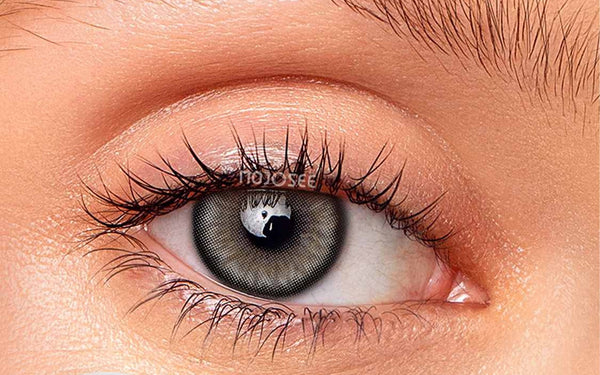
Daily Disposable Glitter Gray is the honest answer for twice-a-month wearers: nothing to store, nothing to expire, and no per-wear guilt.

Cycle discipline is a safety rule, not a suggestion
Past its cycle, a lens does not "look bad" — it silently loses oxygen permeability and carries protein deposits that irritate and invite infection. If a lens is past cycle, torn, or smells of anything, bin it. The wider hygiene rules are in the safety and materials guide.
Matching cycle to buyer, in one line each
- First pair ever: whatever cycle the color you want comes in — plus read the insertion guide before it arrives.
- Everyday natural look (see dark-eyes collection): yearly.
- Weekend-only wearer: monthly or 6-month.
- Cosplayers (cosplay collection): 6-month covers a con season perfectly.
- One event only: shortest cycle available — do not pay for months you will not use.
Which cycle actually fits your life (a 30-second decision)
Ignore the marketing and answer one question: how many days a month will these be on your eyes? Fifteen-plus days — a yearly lens is the obvious economics; you'll retire it from wear frequency before material fatigue matters, and nightly rub-and-rinse keeps deposits controlled. Four to ten days — this is the awkward middle where yearly lenses quietly go bad: the lens spends most of its life soaking, solution gets stale between wears, and people forget when they opened it. A shorter cycle or dailies serve this rhythm better. Under four days a month — dailies, no contest: fresh sterile lens each time, zero storage risk, and no half-used pair silently expiring in a drawer. One honest caveat the industry rarely says: the cycle printed on the box assumes good care. A yearly lens with lazy cleaning is effectively a three-month lens with extra risk — if you know you're a lax cleaner, buy shorter cycles and let the format do the discipline for you.
What "daily" means on this site, and what it does not
Two different things get called daily, and the difference matters. A daily disposable is a lens you open, wear once, and throw away — no case, no solution, no second wear. A daily-wear lens is any lens worn during the day and taken out at night, and it can be on any replacement cycle. Most of the designs here are daily-wear lenses on a yearly cycle; a smaller set are true daily disposables, grouped in the daily disposable collection. If the replacement schedule matters to you — and it should — look for the word "disposable", or check the cycle line on the product page rather than the word "daily" on its own.
Cost per wear, with live prices
The headline price misleads in both directions, so here is the maths on actual numbers. A daily disposable in this range starts at about $21.98 a pair; a yearly design at about $22.98. Worn twice a week for a year, the yearly lens costs a few cents a wear plus solution and cases; the daily costs its full price every time. Worn once a month for special occasions, the yearly lens is still retired after twelve months whether it was worn twelve times or two, and the daily is the cheaper option by a distance. The crossover for most people is somewhere around two wears a week — above that a yearly earns its keep, below it a daily does. Run the numbers on how often you actually wear colour, not how often you intend to.
The clock starts at the seal
This is the rule everyone gets wrong, and the one that matters most for costume lenses. The replacement cycle counts from the moment the vial or blister is opened, not from the first wear and not from the purchase date. A yearly lens opened in September for a single party and worn again the following Halloween has been in service for thirteen months. A monthly lens opened for a wedding and put back in its case for "next time" is retired thirty days later regardless. If a lens is going to be worn rarely, that is the argument for a daily disposable — the clock never starts on anything you do not open.
The reason is not marketing. A soft lens absorbs protein and lipid from the tear film on every wear and degrades in solution between wears, and both processes run whether or not the lens is on an eye. The American Academy of Ophthalmology's care guidance treats the replacement schedule as a hygiene rule for exactly that reason.
Which cycle for which wearer, honestly
| If you | Buy | Because |
|---|---|---|
| Wear colour once a month or for occasions | Daily disposable | A yearly is retired after twelve months however rarely it was worn; the clock never starts on a daily you do not open |
| Wear colour most days and keep a routine | Yearly | Cents per wear, and the routine is what keeps it safe |
| Wear colour most days and will not keep a routine | Daily disposable | The extra cost per wear is small next to the infection risk of a badly kept yearly |
| Buy costume lenses for one night | Whatever the design comes in, treated as single-use | Most costume prints are longer-cycle lenses, but a lens opened for one party and stored for a year is past its cycle at the second wear |
| Travel, stay over, forget solution | Daily disposable | Nothing to store means nothing to store in water |
The pattern is that the daily wins on safety in every case and the yearly wins on cost only for the frequent, disciplined wearer. If you are not sure which you are, you are the daily buyer.
What ends a lens before its cycle
The cycle is a ceiling, not a guarantee. Any of the following retires a lens on the spot, whatever the box says: a nick or a permanent crease in the edge; a print that has started to break up into dots or patches; cloudiness that survives a proper clean; a lens that has been stored in water or has fallen on a floor; and any lens that was in the eye during an infection. A colored lens hides some of these better than a clear one — a brown print hides a deposit film that a light gray would show — so check the edge and the print under good light before each wear rather than trusting how it looks in the case.
Storing a lens between wears without shortening its life
Between wears a lens lives in its case, and the case does more to shorten a cycle than wear does. Fresh multipurpose solution every time — never topped up, never water; the case rinsed with solution and left open to dry each day; a new case every three months. A lens stored properly keeps to its cycle. A lens stored in yesterday's solution, in a case that has never been replaced, is a lens at the end of its useful life long before the calendar says so.
Shipping to Canada, the UK or Australia?
We ship worldwide with tracked standard delivery, 14–20 days door to door, free over US$49. These country guides cover local delivery times, customs and duties, and the designs that sell best in each market:
- Colored contacts in Canada — delivery windows, duties, and why Canadian shoppers search colour names differently
- Colored contacts in the UK — delivery windows, import VAT, and the designs UK buyers pick most
- Colored contacts in Australia — delivery windows, GST, and the character and effect lenses Australia buys
FAQ
Can I stretch a monthly lens to two months if it feels fine?
No. Deposit buildup and oxygen loss are not things you can feel until they become a problem.
How should I store lenses between wears?
In a clean case with completely fresh solution each time. Never top up old solution, and replace the case itself monthly.
Do unopened lenses expire?
Sealed vials last years — the expiry date is printed on the packaging. The short cycles apply only after opening.
Which cycle do Mojosee lenses use?
It varies by design — the cycle is listed in the specifications on every product page, and our order volume means stock rotates fresh.
Do lenses expire faster if I wear them every day?
Wear frequency matters less than people assume — the cycle is driven by material aging and deposit accumulation from the moment the seal breaks. A yearly lens worn daily and cleaned well often outlasts one worn weekly and cleaned lazily. What genuinely shortens lens life: skipped rub-and-rinse nights, topped-up solution, smoking environments and heavy eye makeup migrating onto the lens.
Is it okay to stretch a monthly lens to six weeks if it still feels fine?
"Feels fine" is the trap — deposits and micro-damage accumulate below the comfort threshold, and the discomfort arrives after the risk does, not before. The printed cycle already includes the manufacturer's margin. If monthly economics bother you, the answer is switching formats (yearly for frequent wearers, dailies for occasional), not stretching — stretching is how "fine for weeks" becomes an eye doctor visit in week seven.
What are half yearly contact lenses?
Half yearly contacts — written half-yearly on most spec sheets, and listed as 6 month lenses by a lot of UK sellers — stay usable for six months from the day the vial seal breaks. It is the most common cycle for cosmetic and cosplay designs, because six months is long enough to justify a pair you wear most weeks and short enough that deposits never get ahead of your cleaning routine. Read the wording carefully on any listing: six months from opening, never six months of wear.
Half yearly or yearly contacts — which is the better buy?
One honest question decides it: will you wear this exact pair at least weekly? Yearly lenses only beat half yearly ones on cost-per-wear when those extra six months are months you actually use — a yearly pair opened for one costume spends most of its life in a case, and you have paid for eleven idle months either way. Wear one colour as your everyday signature and yearly wins clearly. Rotating three or four looks, or testing a shade you have never worn, and half yearly is the cheaper mistake to make.
Is "daily" the same as "daily disposable"?
No. Daily-wear means worn during the day and removed at night, on any cycle; daily disposable means one wear then the bin. Most designs here are daily-wear on a yearly cycle; the true dailies are grouped in the daily disposable collection. Check the cycle line, not the word "daily".
Does the replacement clock start when I open the lens or when I first wear it?
When you open it. The lens absorbs deposits and degrades in solution whether or not it is worn, so a yearly opened in September and worn twice is still retired the following September.
Which is cheaper per wear, daily or yearly colored contacts?
It depends on frequency. Above roughly two wears a week a yearly lens at about $22.98 costs cents per wear plus solution; below that, a daily at about $21.98 wins because a yearly is retired after twelve months however rarely it was worn.
You might also like
Picked to match this guide — every pair in stock now.
 Polar Lights Blue Gray Prescription Colored $19.98per pair (2 lenses)
 Starry sky Gray Prescription Colored Contact$22.98per pair (2 lenses)
 Polar Lights Brown Prescription Colored Cont$21.98per pair (2 lenses)
 Polar Lights Gray Prescription Colored Conta$21.98per pair (2 lenses)
Explore more: Daily Wear → · Daily / Office → · Daily Disposable →