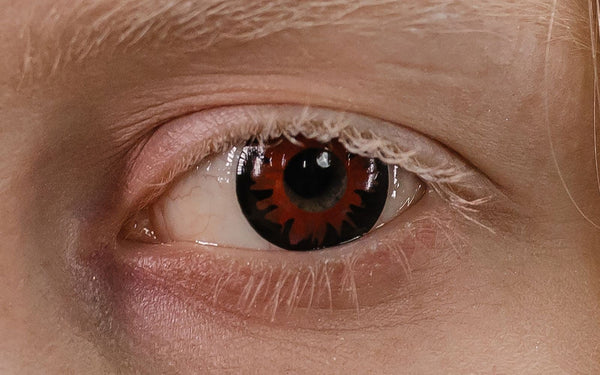









How to Take Out Colored Contacts When One Feels Stuck
When a colored contact will not move, pause, rewet only as directed and seek help if it stays stuck. A practical removal and red-flag guide.

If a colored contact will not come out, stop pulling at a lens that is not moving. Wash and dry your hands, check in a mirror whether the lens is actually on your eye, and use only the lubricating or rewetting drops recommended for your exact lens. Wait for it to move freely before trying the removal method your eye care professional taught you. If it still will not move, or you have pain, redness, light sensitivity or a change in vision, contact an eye care professional promptly. This is a calm decision path, not a reason to keep pinching a sore eye.
The first few removals can feel harder than insertion. A dry lens may resist movement; a folded lens may have shifted under the upper lid; sometimes the lens has already fallen out. Those situations need different responses. The American Academy of Ophthalmology explains that a lens cannot travel behind the eyeball, but that reassurance does not mean repeated rubbing is harmless. Work out what you can actually see and feel before touching the eye again.
First, decide which situation you are in
| What you notice | Useful next step | When to stop |
|---|---|---|
| Lens centered and moving | Use your fitted soft-lens removal technique with clean, dry hands | Stop if it becomes painful or your vision changes |
| Lens visible but not moving | Use the recommended rewetting solution and wait for free movement | Call your eye care professional if it remains stuck |
| Lens not visible | Check that it has not fallen out; look for a displaced lens without digging | Get professional help if you cannot locate it or the eye is irritated |
Do not assume every red or watery eye is a routine removal problem. The CDC lists worsening pain, light sensitivity, sudden blurry vision and discharge among signs that need prompt medical attention. Remove a lens only if you can do so safely, avoid wearing another, and call your eye doctor. If your symptoms are severe or you cannot get timely advice, seek urgent care.
For a moving soft lens, follow the technique you were fitted with
Start with soap and water, then dry your hands completely with a clean cloth. The CDC recommends handwashing and thorough drying before handling lenses. A dry fingertip gives you more control than a wet one. Face a mirror in good light and keep the other hand available to steady your lids. Do not press a fingernail against the lens or the surface of your eye.
If your fitter taught you to slide a soft lens toward the lower white of the eye and then lift it with the pads of your fingers, use that familiar method gently. If you were given a different method or wear a rigid or scleral lens, follow that model's instructions instead; removal tools and techniques are not interchangeable. A decorative print does not change the basic need for a proper fit and a model-specific removal lesson. If you cannot reliably repeat the method you learned, ask your fitter for a refresher before your next event.

If the lens feels stuck, rewet before another attempt
A lens that does not move is not a cue to pinch harder. FDA-hosted manufacturer instructions for soft lenses describe applying the recommended lubricating solution and waiting until movement returns. Those same instructions say to consult an eye care professional immediately if the lens continues to stick. The precise drops and any timing depend on the lens and the instructions you received; do not turn a generic article into a timer for your eye.
Use neither tap water nor saliva to loosen a lens. The AAO advises against water or saliva on contacts and distinguishes wetting drops from disinfecting solution. If you do not have the recommended drops, do not improvise with a random product, makeup remover or a fingernail. Pause and contact the professional who fitted the lens. An eye that is already sore deserves less handling, not a more forceful technique.
What if it seems to be under the upper lid?
Look carefully before assuming it is still there: it may have fallen onto a towel or the sink. If it is visible and your eye is comfortable, the AAO describes sterile saline or artificial tears and gentle repositioning in some circumstances. It also advises arranging an eye appointment as soon as possible if you cannot retrieve it or the eye bothers you. Do not sweep blindly beneath the lid or use tweezers. A lens you cannot see is a good point to stop home attempts.
This distinction is especially useful after a costume shoot, when a smudged mirror, dark makeup and tired eyes make it difficult to see the lens edge. Clean the mirror, improve the light and check for the lens off the eye. If you have already tried repeatedly, let the eye settle instead of turning the search into a long series of touches. The lens cannot disappear behind the eyeball, but it can still require a professional to find and remove it safely.

After it is out: decide whether the lens can be used again
A daily disposable goes in the trash after removal, even if it was worn for only a short shoot. A reusable pair needs the cleaning, disinfection and storage regimen for its exact material and solution. The CDC says not to mix fresh solution with old liquid and to keep lenses away from water. Check the lens for a tear or damage; do not put a damaged lens back on the eye. If you removed it because of irritation, set it aside for your eye care professional to inspect rather than trying it again that evening.
Planning a look is easier when removal is part of the plan. Put a clean case, your recommended solution, a mirror and backup glasses where you can reach them. The insertion guide covers the other half of the routine; the overnight-wear guide explains why a long event is not a reason to sleep in a daytime lens. If discomfort is part of the story, the dryness guide helps you record useful details for your fitter. This article is about removal, not a substitute for an exam.
FAQ
Can a colored contact lens get lost behind my eye?
No. The AAO explains that the conjunctiva stops it from traveling behind the eye. Check whether it has fallen out or shifted under a lid; call an eye care professional if you cannot find it.
Should I pull harder if the lens feels stuck?
No. Use only the rewetting solution recommended for that lens, wait for free movement, and seek professional help if it remains stuck. Repeated force can irritate or injure the eye.
Can I use water to loosen a stuck lens?
No. Contact-lens care guidance advises keeping lenses away from water. Ask your fitter which sterile product is suitable for your lens and situation.
What if my eye hurts after I take the lens out?
Do not put the lens back in. Pain, redness, light sensitivity or vision change calls for prompt advice from an eye care professional; severe symptoms warrant urgent care.
Is removing a colored lens different from removing a clear soft lens?
The pigment does not make a poor fit safe or justify a different improvised technique. Follow the removal lesson and instructions for the exact lens type you were fitted with.
Can I reuse a lens that folded or fell out?
A daily disposable is single use. For reusable lenses, inspect for damage and follow the model's cleaning and disinfection instructions; if symptoms occurred, ask your eye care professional before reuse.
You might also like
Red costume looks to compare only after the exact model has been professionally fitted; these are not removal aids.
 Red Vampire Contact Lenses - Jagged Black Iris Pattern | 1 Pair$26.98per pair (2 lenses)
 Circle Block Red Vampire Yor Forger Colored Contact Lenses – Spy x Family$26.98per pair (2 lenses)
 Solid Red Vampire Contact Lenses - Halloween Block Eyes$26.98per pair (2 lenses)
 Vika Tricolor Red Colored Contact Lenses – Red Vampire Eye$26.98per pair (2 lenses)
Explore more: Red contacts → · Goth contacts →