








Can You Sleep in Colored Contacts? Naps, Overnights, and What to Do If You Did
No — and here's what actually happens if you do, the safe way to remove a lens after falling asleep in it, and the late-night routine that stops it happening again.
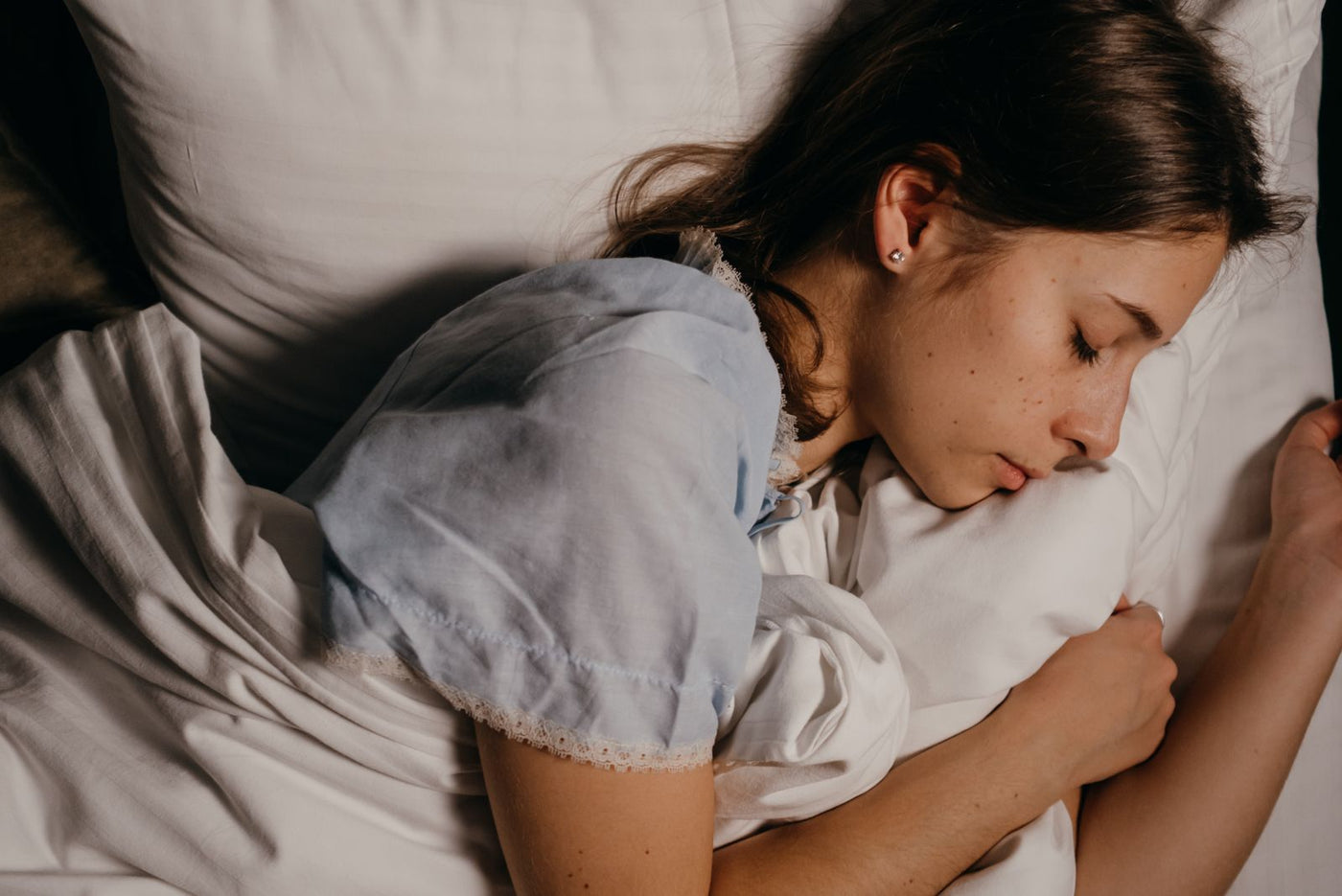
Short answer: no. Colored contacts are daily-wear lenses, and sleeping in them — a whole night or a "quick" nap — is the fastest way to turn a fun accessory into an eye problem. Here's what actually happens, what to do if you already fell asleep in them, and how to build a routine so it stops happening.
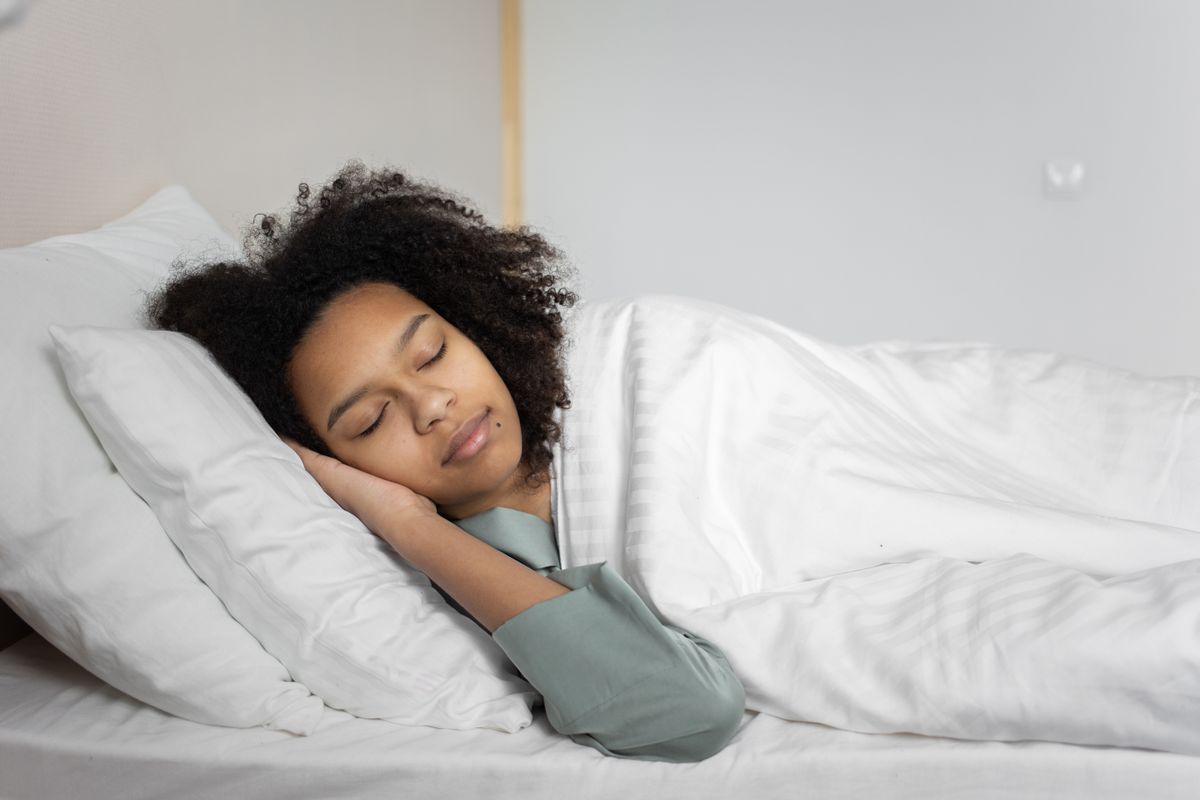
Why sleeping in lenses is different from wearing them
Your cornea has no blood supply; it breathes oxygen straight from the air through your tear film. A soft lens already reduces that oxygen. Close your eyelid on top of it for hours and you've sealed the system: oxygen drops further, the tear film stops refreshing, and the lens slowly dries onto the eye's surface. That's why overnight wear multiplies infection risk — not because the lens is "dirty," but because a dry, oxygen-starved cornea is easy to hurt and slow to defend itself.
"I fell asleep in them — what do I do now?"
Don't rip them out. A lens that's been on a sleeping eye is partially dried and can stick; pulling it dry can take surface cells with it. Instead:
Step 1: Blink for a minute. Add contact-safe rewetting drops if you have them. Let the lens rehydrate and start moving again.
Step 2: Once the lens slides when you blink, remove it normally (technique refresher: insertion and removal guide).
Step 3: Give that eye the day off lenses. Mild dryness and redness for a few hours is normal after an accidental nap.
Step 4: Watch for the bad signs — pain, worsening redness, light sensitivity, discharge, or blur that doesn't clear. Any of those within a day or two: see an eye doctor promptly and mention you slept in lenses.
Naps count too
A 20-minute nap won't cause what a full night causes, but you'll wake up with the lens suction-cupped to a dry eye — uncomfortable and exactly the removal scenario above. If a nap is even a possibility (long flight, movie on the couch), lenses out first. Thirty seconds now beats prying at a dried lens later.
The late-night problem, solved properly
Most accidental overnights aren't laziness — they're logistics: you're out late, no case, no solution, and taking lenses out with dirty hands over a bar sink is worse than leaving them in. Two real fixes:
Carry the kit. A spare lens case pre-filled with solution lives in your bag permanently. Total size: a lipstick.
Or make event nights disposable nights. Wear daily disposables like DNA Taylor Brown Hazel dailies when you know the night will run long — end of night, bin them, done. No case, no solution, no 2 a.m. decisions.

Halloween and con nights
Costume lenses follow the same rule with higher stakes: bigger diameters and denser pigment mean less oxygen to begin with, so an overnight in Halloween lenses or sclera lenses is a genuinely bad idea. Set a phone alarm for lens removal the same way you'd set one for the last train.
What happens hour by hour while you sleep in them
The damage isn't instant, which is exactly why "just once" feels harmless. Here's the actual progression. First hour: the closed eyelid cuts the lens's oxygen supply further and tear exchange nearly stops. A few hours in: the lens begins drying against the cornea and adhering — this is why it's stuck when you wake. By morning: the oxygen-starved cornea has swollen slightly and its surface cells are stressed, which is when microscopic gaps let bacteria in. The infection risk people quote isn't from the lens being "dirty" — it's from a weakened cornea meeting normal overnight bacteria with its defenses down. One night usually ends at the swollen-and-stuck stage and recovers; the bad outcomes cluster in people who do it repeatedly. The takeaway isn't "one night blinds you," it's "there's no version of this with any upside."
FAQ
Is one night in colored contacts really that bad?
One night usually ends in dry, red, irritated eyes rather than disaster — but corneal ulcers and infections in lens wearers cluster exactly around overnight wear. It's a risk with a bad worst case and zero upside. Take them out.
My lens is stuck after sleeping — how do I get it off?
Rehydrate first: drops or several minutes of steady blinking until the lens moves freely, then remove normally. Never pull a lens that isn't sliding. If it truly won't move after rehydrating, an eye doctor can remove it safely.
Can I nap 20 minutes in my lenses?
You'll probably get away with it, and you'll still wake up with dry eyes and a sticky lens. If you know the nap is coming, lenses out. If it catches you by surprise, follow the rehydrate-then-remove steps above.
Are daily disposables safer for late nights?
Meaningfully, yes — not because you can sleep in them (you can't), but because tossing a lens at 2 a.m. requires no case, no solution and no discipline. The easiest routine is the one you'll actually follow.
You might also like
Picked to match this guide — every pair in stock now.
 Vika Tricolor Blue Colored Contact Lenses$21.98per pair (2 lenses)
 Polar Lights Blue Gray Prescription Colored $19.98per pair (2 lenses)
 Starry sky Gray Prescription Colored Contact$22.98per pair (2 lenses)
 Polar Lights Brown Prescription Colored Cont$21.98per pair (2 lenses)
Explore more: Colored Contacts for Dark Eyes →