







Colored Contacts by Hair Color: Blonde, Black, Brown and Red
Your hair frames your eyes more than any other feature — pairing logic for blonde, black, brown and red hair, for men and women, with the one combination each hair color owns.
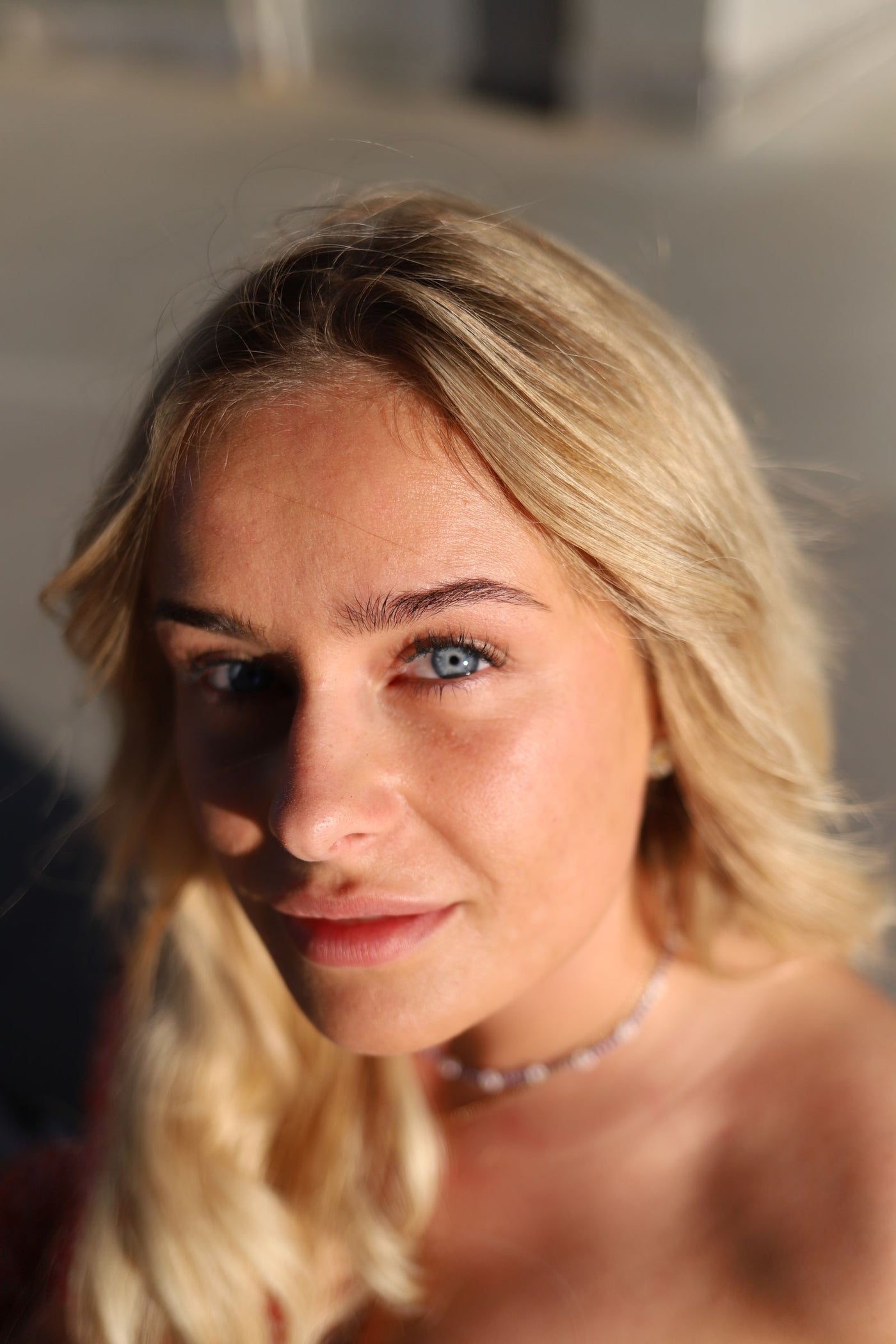
Eyes never appear alone — they're framed by hair in every glance and every photo, and the pairing changes how a lens reads more than most people expect. Same gray lens: icy and editorial against black hair, soft and Scandinavian against blonde. Here's the pairing logic for the four big hair families — and it applies to everyone; a buzzcut frames eyes just as loudly as waist-length waves.
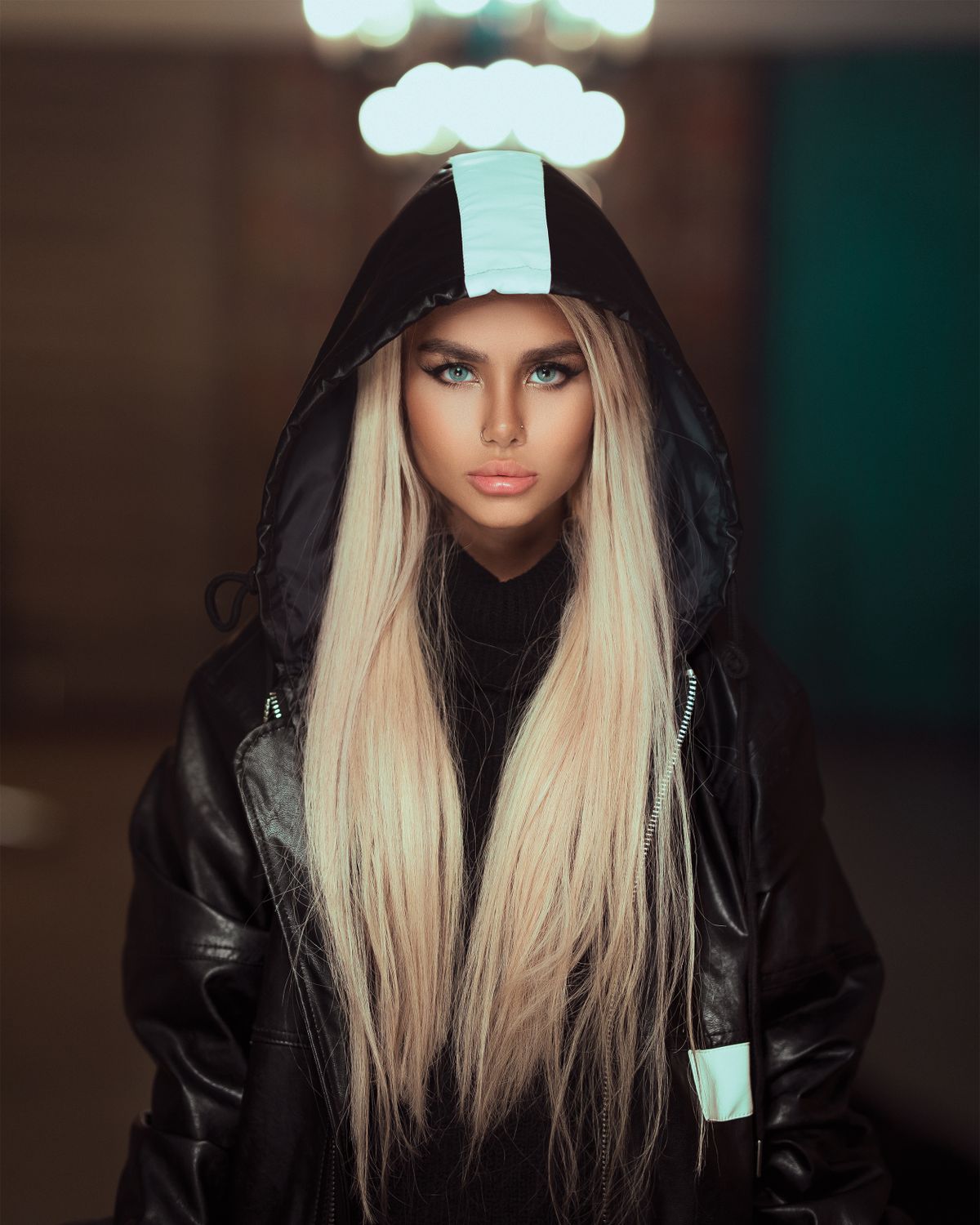
Black hair: the highest-contrast canvas
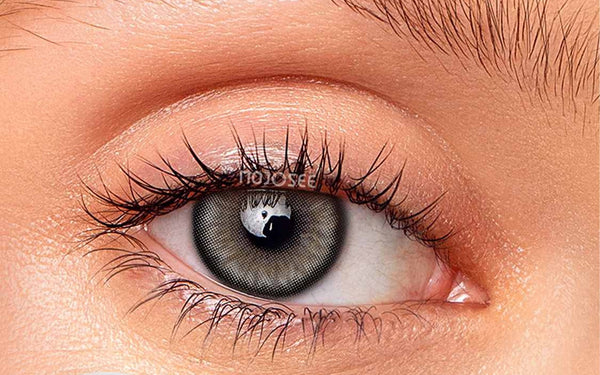
Black hair makes every lens color pop harder — you're working with the strongest frame there is. Owns the combination: gray. Black hair + smoke gray like Smoky Malakite Gray is striking without a hint of costume, on any skin tone. Also excellent: hazel and amber for warmth against the cool frame, violet for fashion-forward looks. Handle with care: very pale blue — with black hair it jumps straight past "striking" into "sci-fi" unless that's the plan. Deep-brown-eyed? Opacity rules in the dark eyes guide apply to all of this.

Brown hair: the warm middle where everything harmonizes
Brown hair is the most forgiving frame — it shares undertones with half the lens catalog. Owns: green. Warm brown hair + a forest green like Himalaya Green looks like a genetic jackpot rather than a purchase. Also excellent: honey hazel one step lighter than your hair (the "lit from within" trick), warm gray for quiet contrast. Skip if natural is the goal: icy silver — it fights brown hair's warmth from across the face.

Blonde hair: choose harmony or choose contrast
Blonde gives you two valid strategies. Harmony: stay light and cool — soft gray, light blue, misty green like British Shorthair Green — for the seamless Nordic read. Contrast: warm amber or deep hazel like New York Hazel against light hair reads expensive and editorial — it's the combination fashion campaigns keep reaching for. What blonde does not forgive: muddy mid-browns that match neither strategy and just look unlit.

Red hair: green was decided for you
Red and green sit opposite on the color wheel, which is why redheads with green eyes are statistically rare and visually unforgettable. A textured green — deep for auburn, brighter for copper — is the single highest-impact lens purchase a redhead can make. Second place: warm amber-brown like Dubai Brown, harmonizing with the warmth instead of opposing it. Skip: cool violet and icy blue, which clash with red's warmth in daylight.

Two notes before you commit
Dyed hair counts as your hair color — lenses pair with what's on your head this month, and if you cycle colors, build a two-lens wardrobe (one warm, one cool) so you're covered either way. And makeup sits between hair and lens: the makeup formulas guide shows how to bridge the two, while suits, streetwear and jewelry logic lives in styling lenses with outfits.
What to do when you change your hair often
If your hair color isn't fixed, chasing a matching lens for every dye job gets expensive and pointless. The smarter play is a two-lens system that survives any hair color. Own one warm and one cool lens: a textured hazel or warm brown (flatters warm and neutral hair — blondes, brunettes, auburns, warm reds) and a smoke or mid gray (flatters cool and high-contrast hair — black, ash blonde, cool browns, silver). Between those two, virtually any hair color you come home with has a partner already in your case. The reason this works: hazel and gray are the two most hair-agnostic lenses in the catalog — hazel carries warmth without committing to a specific hue, gray provides cool contrast without clashing. Add a bold statement color seasonally if you want, but the warm/cool pair is the backbone that means a spontaneous hair change never leaves your eyes stranded. It's the same logic as owning both gold and silver jewelry so nothing you wear is ever unmatched.
FAQ
What colored contacts look best with black hair?
Smoke gray is the signature pairing — maximum striking, minimum costume. Hazel and amber add warmth; violet is the fashion pick. Almost everything works because the contrast frame is so strong.
What lens colors suit blonde hair?
Two lanes: cool harmony (gray, light blue, misty green) for the seamless look, or warm contrast (amber, deep hazel) for the editorial one. Pick a lane rather than the middle.
Do these pairings work for men?
Identical logic, more conservative execution: natural diameters, smoke-toned versions, texture over flatness. The men's guide translates each pairing.
I dye my hair often — which lenses stay flexible?
Textured hazel and mid-gray are the two most hair-color-agnostic lenses in the catalog. One of each covers nearly any dye job you come home with.
What colored contacts go with brown hair?
Brown hair is the most forgiving frame — green is its standout pairing (reads like a genetic jackpot), with honey hazel a step lighter than your hair and warm gray as quieter options. Skip icy silver, which fights brown hair's warmth.
Do lens-and-hair pairings work the same for men?
Identical logic, more conservative execution: natural diameters, smoke-toned versions, texture over flat color. A smoke gray with black or brown hair is the most reliable men's pairing — see the men's guide.
You might also like
Picked to match this guide — every pair in stock now.
 Hell Raiser Colored Contact Lenses$19.98per pair (2 lenses)
 Genshin Anime Red Brown Colored Contact Lens$28.98per pair (2 lenses)
 Anime Red Brown Sucrose Colored Contact Lens$28.98per pair (2 lenses)
 Enchanted Black Colored Contact Lenses$26.98per pair (2 lenses)
Explore more: cos-Red → · cos-Black → · Red Contacts →