







Green Contacts: The Complete Shade Guide, Olive to Emerald
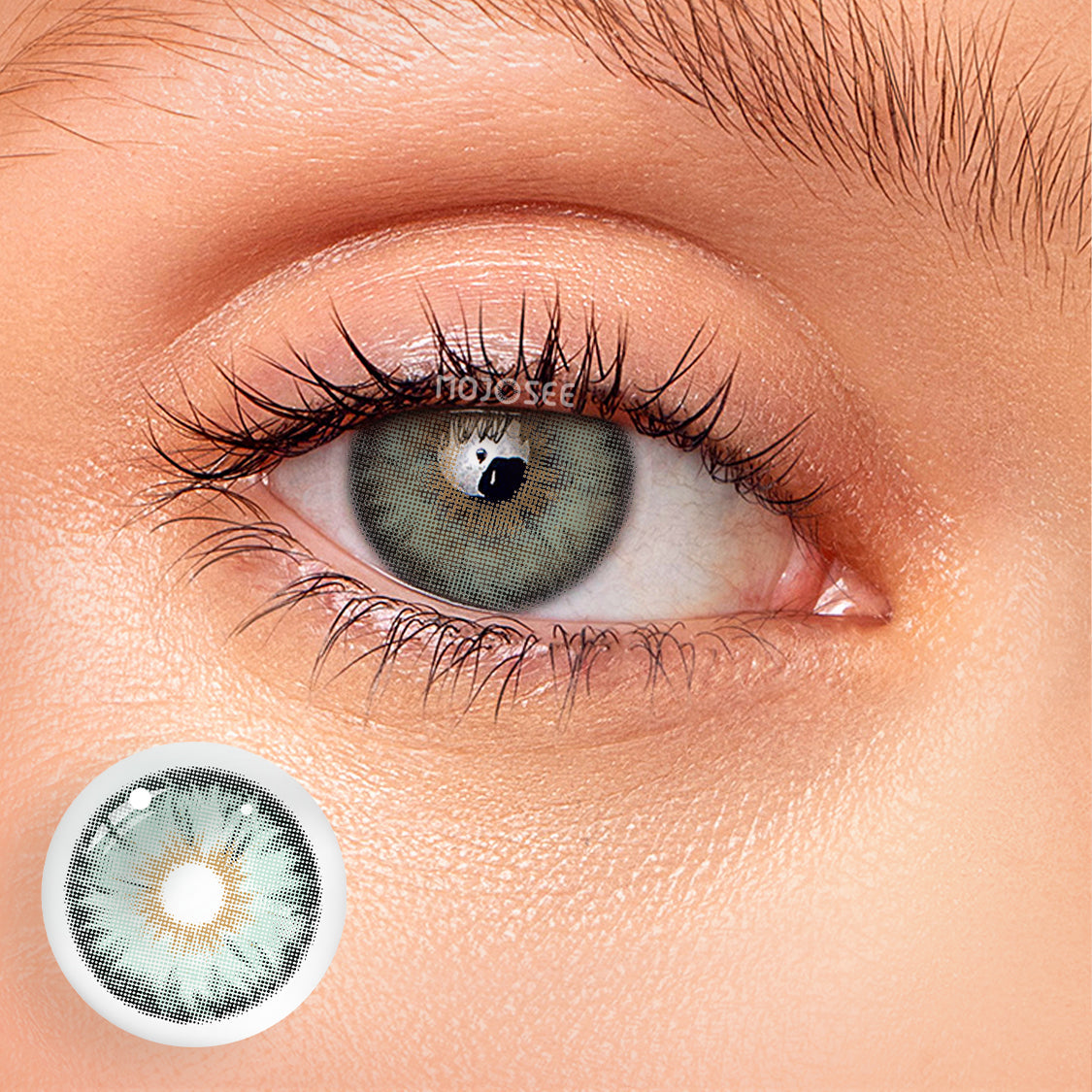
Green is the rarest natural eye color on earth — roughly two percent of people are born with it — which makes green contacts the biggest believable change you can make to your face. The full spectrum runs from olive shades that read as "maybe she was born with it" to gemstone emeralds that read as a decision, and the right pick depends on three things: your natural iris, your undertone, and how much attention you want the color to collect.
The green ladder, from whisper to statement
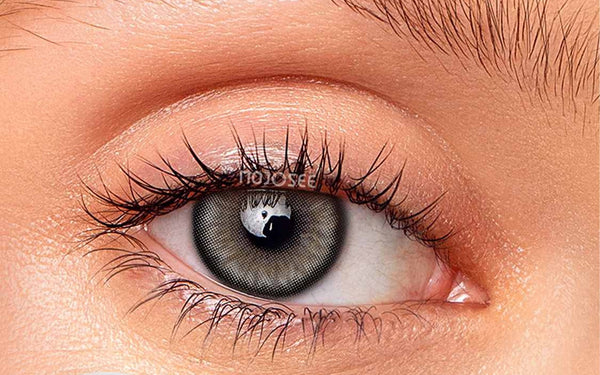
Olive and hazel-green sit at the quiet end: earthy tones with brown woven through, which lets your own iris participate in the blend. On dark brown eyes they read as a lift rather than a swap — the change people sense before they spot it. True green and forest tones are the classic light-eye look, best worn with a defined limbal ring so the iris keeps a real edge. Jade and sage are the current soft-girl favorites: muted, gray-leaning greens that photograph gently in daylight. Emerald and gemstone greens are the loud end — saturated, jewel-toned, built for events and cameras.

Making green work on dark brown eyes
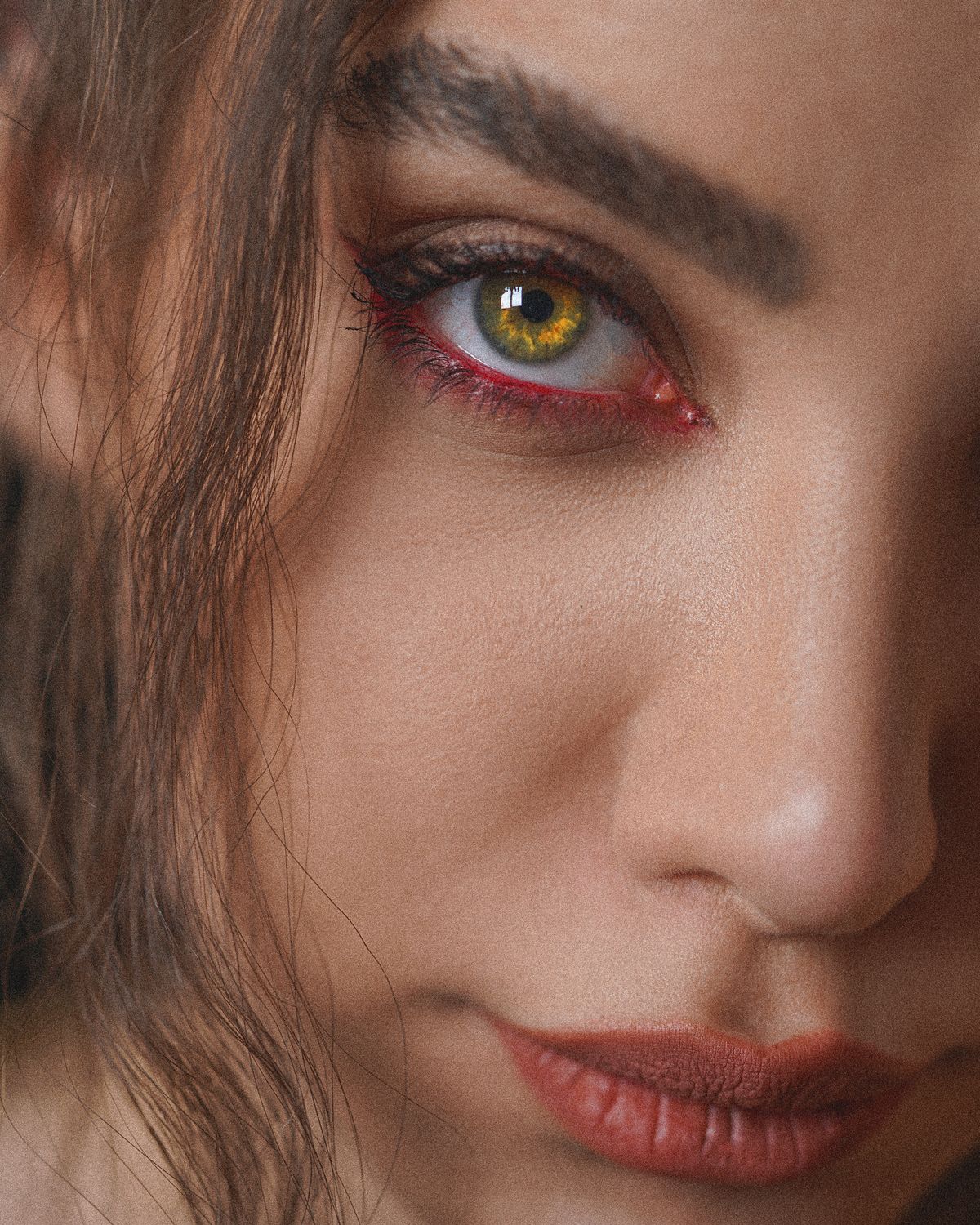
Green is one of the harder colors to display over dark irises: sheer green tint plus brown melanin equals swamp, not sage. What works is an opaque, multi-tone print with a warm honey ring around the pupil — the warm center bridges into your natural brown so the green looks grown, not glued. The mechanics are the same ones we unpack in why colored contacts disappear on dark eyes; the practical takeaway is to shop from designs photographed on deep brown eyes, like everything in the dark-eyes collection.

Matching green to skin and hair
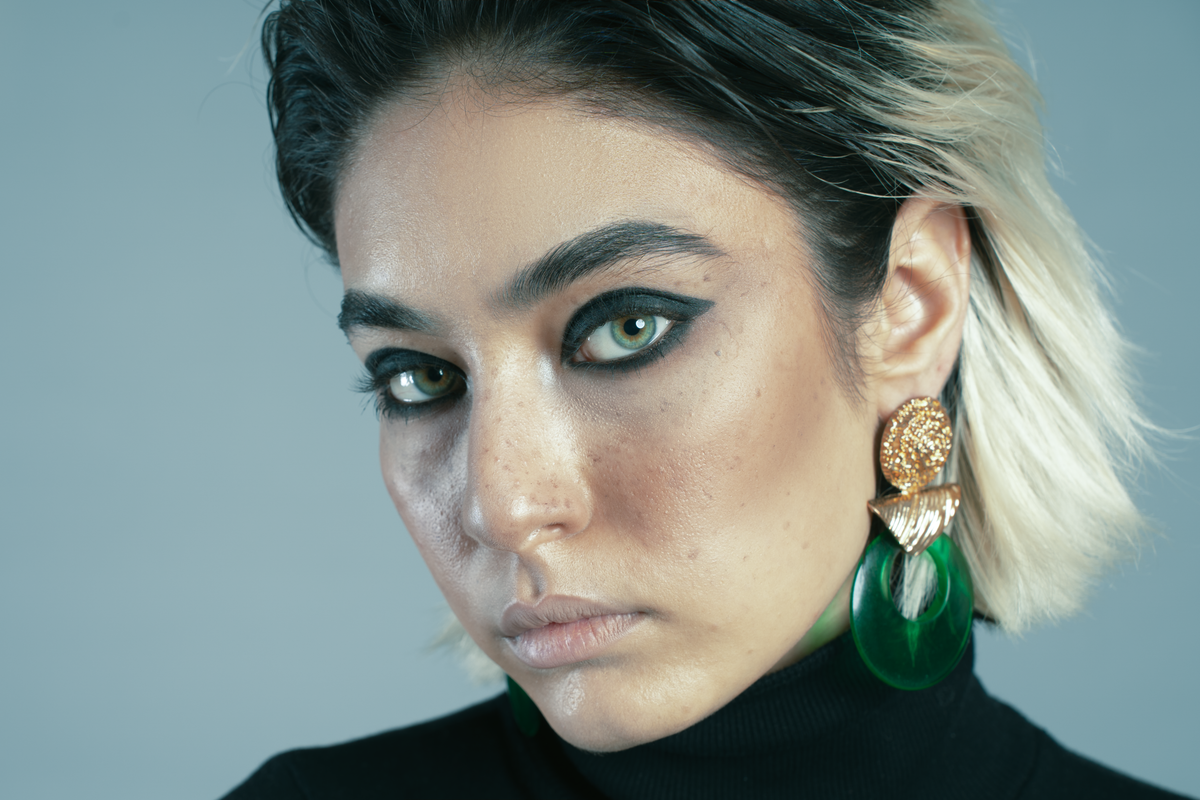
Warm and olive skin tones pair beautifully with warm greens — olive, moss, anything with gold in it — while emerald and cool jade create maximum contrast against deep skin and dark hair, which is exactly why they photograph so well there. Cool-toned skin leans best into sage and gray-greens. Hair matters too: green eyes against black hair go dramatic, against brown hair go believable, and with red or copper hair land the classic combination nature almost never issues — the full pairing logic lives in our hair color guide.
Green under real light: what changes and when
Green is the most light-reactive lens family you can wear. Warm indoor bulbs pull every green toward olive and mute the cool jades — if your evenings are restaurant-lit, choose a green one step brighter than your daylight ideal. Direct daylight does the opposite: it wakes the yellow undertones and can make an emerald read almost backlit, which is why green wearers get stopped on sidewalks and ignored in bars. Flash photography splits the difference but doubles down on the limbal ring, so multi-tone designs survive party photos where flat greens go reptilian. If one occasion matters most — a shoot, a wedding, a con — run a two-photo test (daylight, then indoor) a week ahead and let the camera cast the deciding vote.
Green as a character color
Cosplay runs deep on green: forest-spirit and elf builds, snake and werewolf effects for Halloween, and a long roster of anime characters with jade or emerald eyes. For creature looks, the wolf-eye guide covers the animal end; for everyday wear after the event, a two-tone natural green does double duty — one pair, two lives.

Wearing green without the "obviously contacts" tell
The tell is usually mismatch, not color: a flat single-tone green with no limbal ring, floating on a dark iris. Choose multi-tone prints, keep eye makeup warm and simple (green does the work), and let brows stay soft — the face reads balanced and the green reads native. Same care rules as any soft lens: clean hands, fresh solution, no sharing, no sleeping in them, and in the US a prescription is required even at 0.00.
FAQ
Do green contacts work on dark brown eyes?
Yes — choose opaque, multi-tone designs with a warm inner ring. Sheer green tints will turn muddy over dark irises; dense printed greens display true.
Which green looks the most natural?
Olive and hazel-greens with brown undertones, because they cooperate with your natural pigment. Save pure emerald for looks that are allowed to be noticed.
Are green eyes actually rare?
Around two percent of the world has naturally green eyes — the rarest of the common colors, which is exactly why the change reads as striking.
What skin tones suit green contacts?
All of them, with different greens: warm skin suits olive and moss, deep skin makes emerald and jade pop hardest, cool skin pairs with sage and gray-greens.
Green or gray for a first colored pair?
Gray is the safer everyday shift; green is the bigger transformation. If you want people to ask questions, green. If you want them to almost ask, gray.
Explore more: Green → · For Dark Eyes → · Gray vs Blue vs Green →
You might also like
Picked to match this guide — every pair in stock now.
 Dawn Colored Contacts – 4 Natural Shades for$24.98per pair (2 lenses)
 Stunna Girl Colored Contact Lenses$24.98per pair (2 lenses)
 Sexy Cat Colored Contact Lenses$19.98per pair (2 lenses)
 Aqua Panther Colored Contact Lenses$18.98per pair (2 lenses)
Explore more: Greenery → · cos-Green → · Green Contacts →