





Brown Contacts: Why the Subtlest Color Is the Smartest First Pair
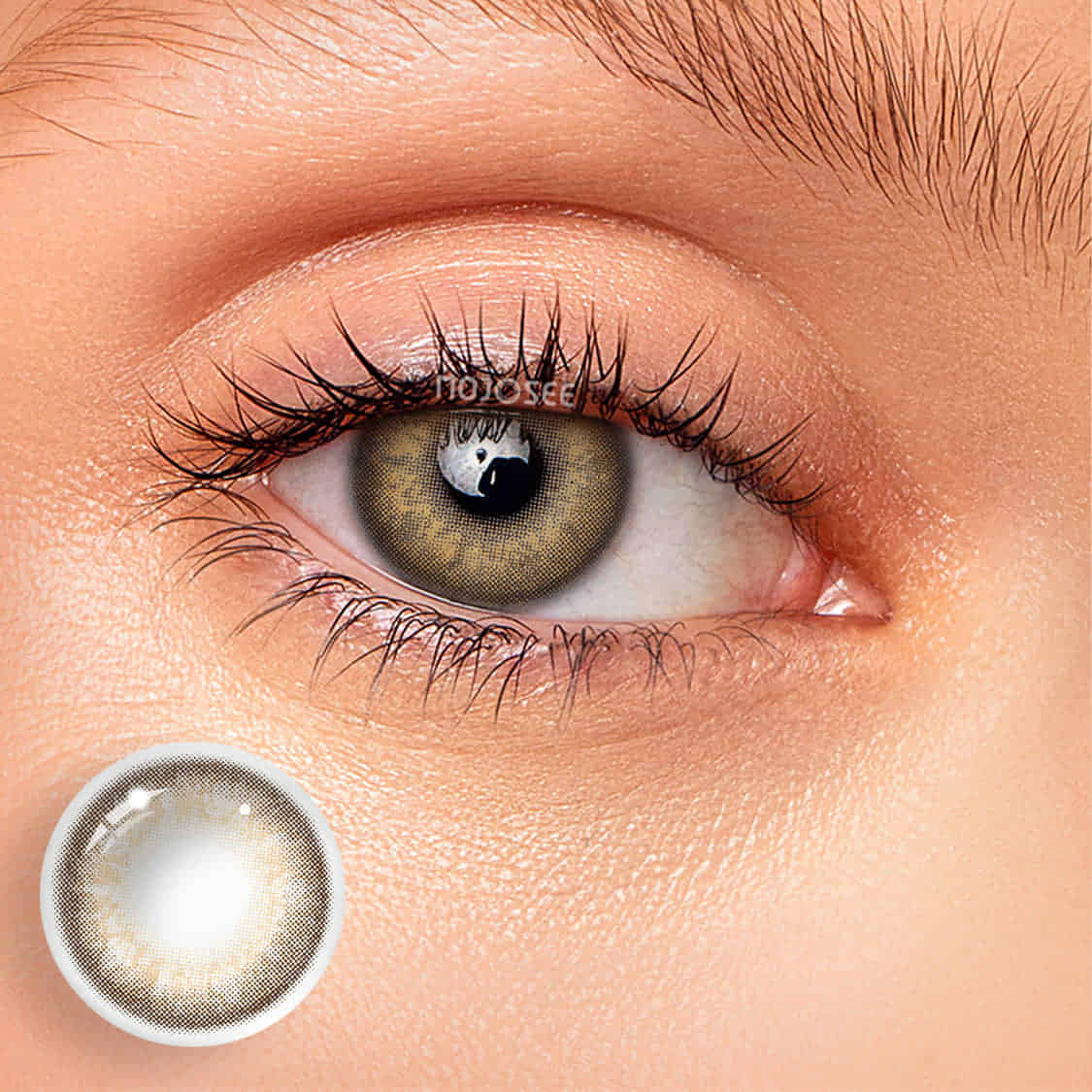
Brown contacts are the least dramatic purchase in this store and the one we would argue for hardest. On brown eyes they do not disguise — they edit: one or two shades lighter, more even, better defined, still unmistakably you. That is why brown is the classic first pair, the office pair, and the pair men actually wear. Here is how to pick the right brown instead of a random one.
The one color family where your dark iris helps
Most lens colors fight dark eyes — we wrote a whole explainer on why sheer tints vanish over melanin. Brown is the exception: because the lens works with the pigment underneath instead of against it, even semi-opaque browns display cleanly on deep brown eyes. The practical result is that browns are forgiving — the whole family is low-risk in a way no other color can claim.
The brown ladder
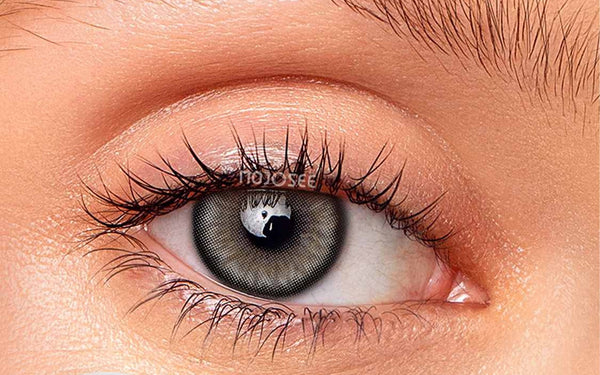
Honey and caramel lighten the iris a step or two and are the single most reliable "brighter, more awake" trick in the catalog — the change reads as good sleep, not contacts. Amber and tea browns add warmth and a golden cast that flatters warm undertones. Chocolate and espresso go the other way: they deepen and even out the iris for a polished, editorial look, and they are the quiet favorite of wearers whose natural brown is uneven or lighter than they would like. Gray-browns and smoky taupes are the trend end — the blurred, soft-focus effect that dominates natural-makeup looks right now.


Choosing by undertone, not by swatch
Warm undertones (gold-leaning skin) take honey, amber and tea browns naturally. Cool undertones do better with taupe, ash-brown and the gray-brown blends — a too-golden brown against cool skin is the one way this family misfires. If you are unsure, the fingertip rule works: hold the shade near your inner wrist; if it blends with the veins' warmth it will blend on your face.
Pairing brown lenses with makeup that agrees
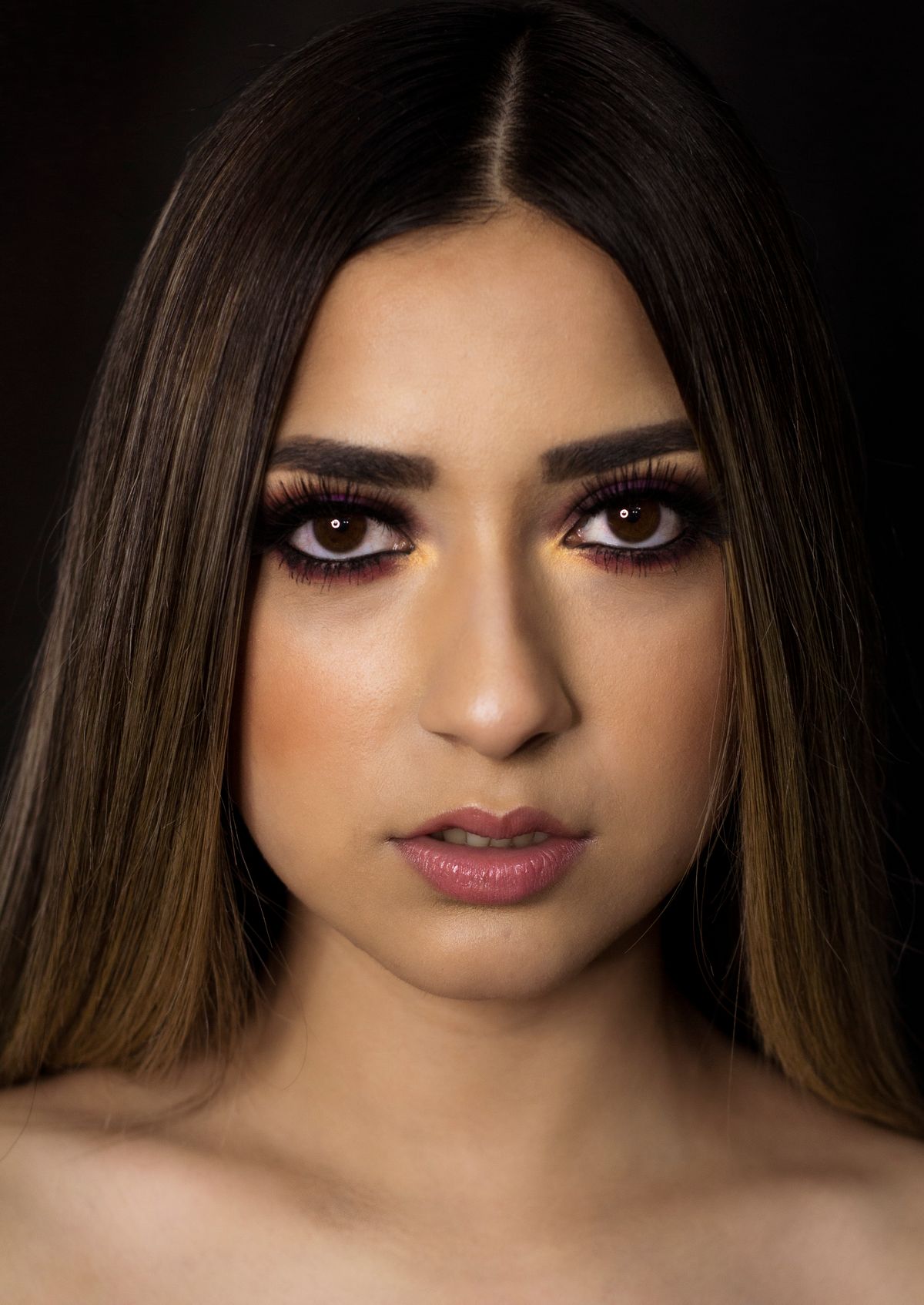
Brown eyes made warmer want makeup from the same shelf: terracotta, bronze and gold shadows amplify honey and amber lenses instead of competing with them, and a warm-brown liner beats black for keeping the whole eye soft. Deepened espresso looks take the opposite route — keep lids clean and neutral so the evened, darker iris does the talking, then spend the drama on lashes. The one combination to avoid is cool-toned gray shadow over a golden-honey lens; the temperature clash is exactly the "something is off" that makes people finally clock the contacts. On no-makeup days, browns are the only lens family that needs zero support — which is half the reason they own the workweek.
Brown for men, mornings and everything unremarkable
Brown is the most-worn lens color among men for a simple reason: nobody can prove anything. A honey brown on dark eyes sharpens the whole face without registering as cosmetic — the full logic is in our men's guide. The same invisibility makes brown the workday pair: it survives video calls, fluorescent light and no-makeup days, which is more than the fashion colors can say.

Brown vs hazel: the eternal tiebreak
Hazel adds green and gold movement that shifts with light; brown stays a steady single family. If you want a color people notice in sunlight, go hazel; if you want an upgrade nobody can name, stay brown — the full side-by-side lives in hazel vs brown on dark eyes.
Care, and the honest fine print
Standard soft-lens rules: clean after each wear, fresh solution, replace on schedule, never share, never sleep in them. US orders require prescription verification even for 0.00 plano — and browns come in the same power range as everything else, so glasses wearers get the upgrade too.
The brown range, by the numbers
Brown is the deepest colour family on this site by a wide margin, and the depth is the point: with this many prints you can be specific about warmth, ring weight and diameter instead of taking the nearest thing. Live figures at the time of writing; prices are per pair, one order is two lenses.
| In stock | 97% of the brown-for-dark-eyes range |
| Price per pair | $16.98 – $34.98 |
| Sizes | 14.0mm, 14.2mm, 14.5mm |
| Share with corrective powers | about 17% — the most of any natural colour |
| Against hazel | roughly ten brown designs for every hazel one, and about 16 brown designs with powers against a single hazel |
The prescription line is the one that decides most purchases. If you need correction and want a natural everyday lens, brown is effectively the category; hazel is the occasional exception. The hazel versus brown guide goes through that trade in detail.
Two browns to start with


Both are the cheapest in-stock 14.0–14.2mm browns at the time of writing — the sizes that read as your own eye rather than as an enlargement. The full range sorts by availability on the collection page.
Reading a brown lens off the product photo
Brown is the colour where a bad photo misleads most, because the difference between "lighter eyes" and "obviously a lens" is a shade or two, not a colour change. Three things to look for.
The pupil edge. A translucent brown lets your own darker brown through as a halo around the pupil; a dense print holds its colour up to the clear window. On a dark iris the halo is what makes a lens look like a lens.
The outer ring. A defined limbal ring hides the transition where the print stops and gives the iris a real edge. A fine ring reads natural; a heavy ring reads dramatic; no ring on a light brown reads flat.
The base it was shot on. A light brown photographed on a hazel eye tells you nothing about how it lands on deep brown. Where a product page shows an on-eye photo on a dark iris, judge from that; where it shows only the flat lens, treat the colour as an upper bound.
Entry points in the range, with live prices
The cheapest in-stock browns at the time of writing, all at the two sizes that read as your own eye. Prices per pair; one order is two lenses.
| Design | Size | Powers | Price |
|---|---|---|---|
| Into The Metaverse X-Brown Flare Colored Contact Lenses | 14.0mm | plano | $18.98 |
| Aurora Ocre Colored Contact Lenses | 14.2mm | plano | $18.98 |
| Aurora Avela Colored Contact Lenses | 14.2mm | plano | $18.98 |
Read the size column first. Two designs at the same price and a similar shade will look completely different on the eye if one is 14.0mm and the other 14.2mm, and the difference is not visible in the flat lens photo.
Prescription browns: the practical pick for glasses-wearers
Brown is where a glasses-wearer has real choice. Roughly one in six brown designs for dark eyes carries corrective powers — the highest share of any natural colour — mostly from 0.00 to -8.00 in quarter or half steps, with no plus powers and no toric lenses. That is enough to pick by shade and size first and then filter for power, rather than starting from the handful of powered designs and accepting whatever colour they come in. Corrective browns start around $21.98 a pair. The power selector on each product page is built from stock, so if a design has one, those powers exist; if it does not, they do not.
One thing a corrective brown cannot do is fix astigmatism. A spherical colored lens on an eye with a meaningful cylinder gives soft, directional vision whatever the power says; if that is your prescription, a clear toric lens is the honest answer and a brown over the top is not an option.
Brown against the other naturals
Against hazel: hazel is the visible upgrade, brown the invisible one; the catalogue is roughly ten browns to every hazel and brown carries far more corrective options. Against gray: gray is the strongest cool change on dark eyes and reads as a different colour; brown reads as the same colour, lit. Against green: a muted green is the one other natural that works without reading as costume, but it is a second pair — it changes the colour family, which brown does not. If the brief is "nobody should know", brown is the only one of the four that reliably delivers it.
Brown for the situations that punish a lens
Daylight, no makeup. The hardest test. A brown one to two shades lighter than your own iris at 14.0mm passes it; anything lighter or larger does not. The compliment you want is "you look well".
Office lighting. Flat, cool, unflattering. A warm mid brown with a fine outer ring holds up because it has warmth to spare; a cool or greige brown can read grey under it.
Flash photography. A flash bounces off the print and flattens it. A brown with visible iris texture — radial lines, a two-tone gradient — survives the flash as an eye; a flat single-tone brown photographs as a disc. If photos are the point, buy texture.
Evening and candlelight. The most forgiving setting. This is where a lighter honey-brown or a 14.2mm lift stops looking like a lens and starts looking like the light.
Care for a brown lens specifically
A brown print hides deposits better than a light gray or green, which sounds like an advantage and is a trap: the lens looks fine past the point where it should have been cleaned or replaced, and the first sign is blur rather than haze. Keep to the routine on the calendar, not on how the lens looks — multipurpose solution every night, a rub-and-rinse, a new case every three months, and the replacement clock from the day the vial was opened. A brown lens that has started to blur is done, however clean it looks.
Size before shade, again
A brown lens is the one colour that can be genuinely invisible, and the thing that breaks the illusion is never the shade — it is a 14.5mm lens on an eye that needed 14.0mm. At 14.0mm the print stops at your natural iris edge and nothing about the eye's size changes; at 14.2mm there is a fractional lift that reads as rested; at 14.5mm the eye is visibly bigger and the lens is the point. For an everyday brown, 14.0mm. The same shade often exists at two sizes, so check the size line before the colour.
FAQ
Do brown contacts even show on brown eyes?
Yes — that is their specialty. A brown one to two shades lighter than your iris visibly brightens; a deeper brown evens and intensifies. It is the one family where dark eyes make things easier.
Which brown looks most natural?
The one closest to your own undertone: honey and caramel for warm skin, taupe and ash-brown for cool. Multi-tone prints with soft edges read as native iris.
Brown or hazel for a first pair?
Brown for a subtle, steady change; hazel if you want light-shifting green-gold movement. Both behave well on dark eyes.
Are brown contacts good for men?
They are the most-worn male lens color — natural browns sharpen the eyes without reading as cosmetic. Honey browns on dark eyes are the standard pick.
Can brown lenses make eyes look bigger?
Designs with a defined limbal ring add apparent size and definition. Check the graphic diameter on the product page — the printed area, not the lens size, decides the effect.
Explore more: Brown → · For Dark Eyes → · Hazel →
How many brown contacts are there for dark eyes?
The brown-for-dark-eyes range has 93 published designs at the time of writing with 97% in stock, from $16.98 to $34.98 a pair, across 14.0, 14.2 and 14.5mm. About 17% carry corrective powers — the most of any natural colour.
What size brown contacts look most natural?
14.0mm, which stops at the natural iris edge and changes only the colour. 14.2mm adds a fractional lift; 14.5mm visibly enlarges the eye and is the size that gives a natural brown away.
You might also like
Picked to match this guide — every pair in stock now.
 Polar Lights Brown Prescription Colored Cont$21.98per pair (2 lenses)
 Smoky Marble Prescription Colored Contact Le$21.98per pair (2 lenses)
 Starry sky Brown Prescription Colored Contac$22.98per pair (2 lenses)
 Muses Brown Colored Contact Lenses$22.98per pair (2 lenses)
Explore more: Brown Contacts → · Brown Halloween Contacts → · Brown Contacts for Dark Eyes →