








Hazel vs Brown Contacts on Dark Eyes: Which Reads More Natural
Hazel or brown on dark eyes? One changes your eye color visibly, the other upgrades it invisibly. An honest side-by-side, plus which to buy first.
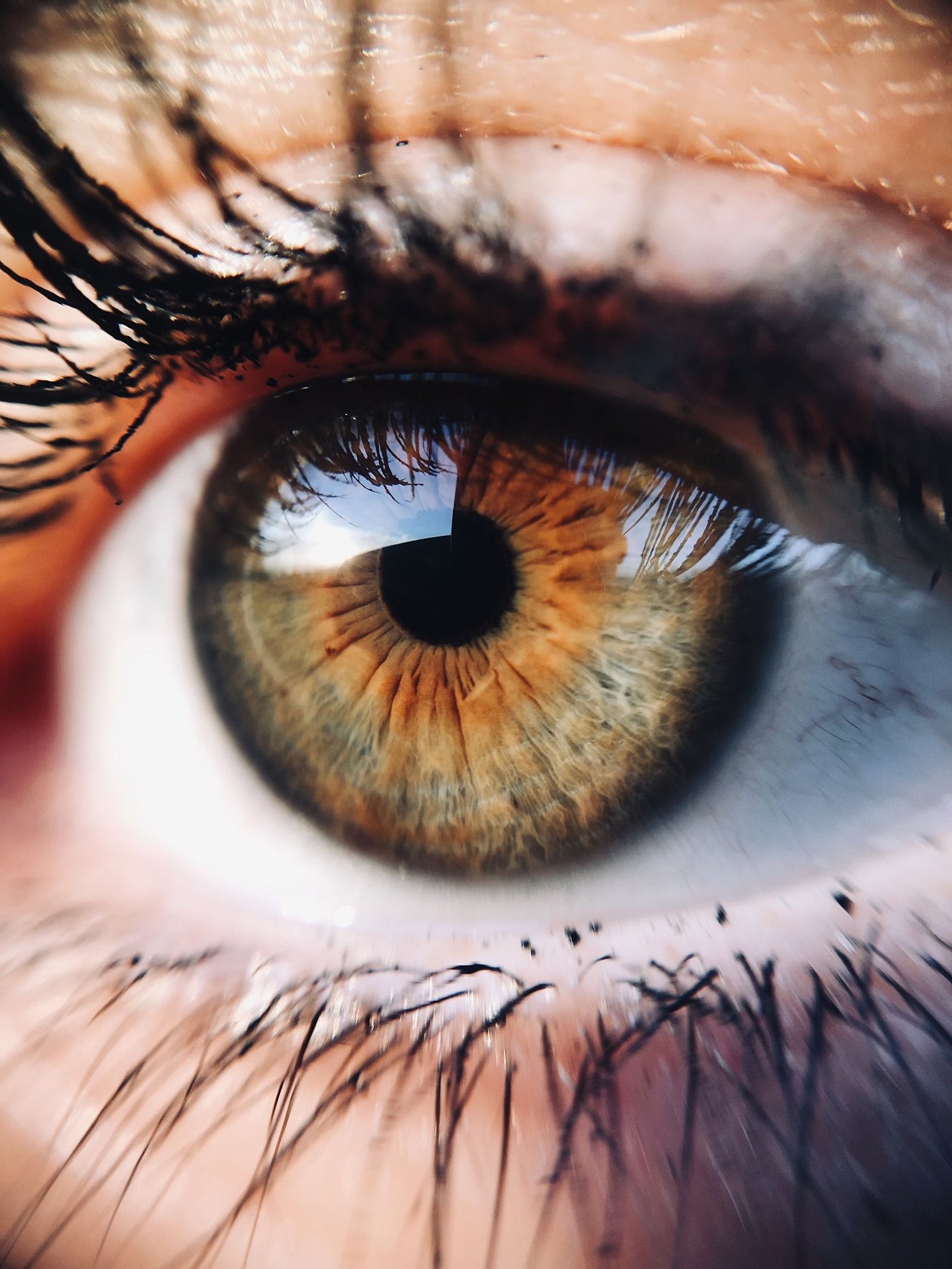
Hazel and brown are the two lens colors people buy when they want no one to know they're wearing lenses. On dark brown eyes they behave very differently: one blends in, the other quietly upgrades. Here's the honest comparison, plus which to pick first.
Quick answer: choose hazel when you want a visible colour change; choose brown when you want a subtler, more believable change.
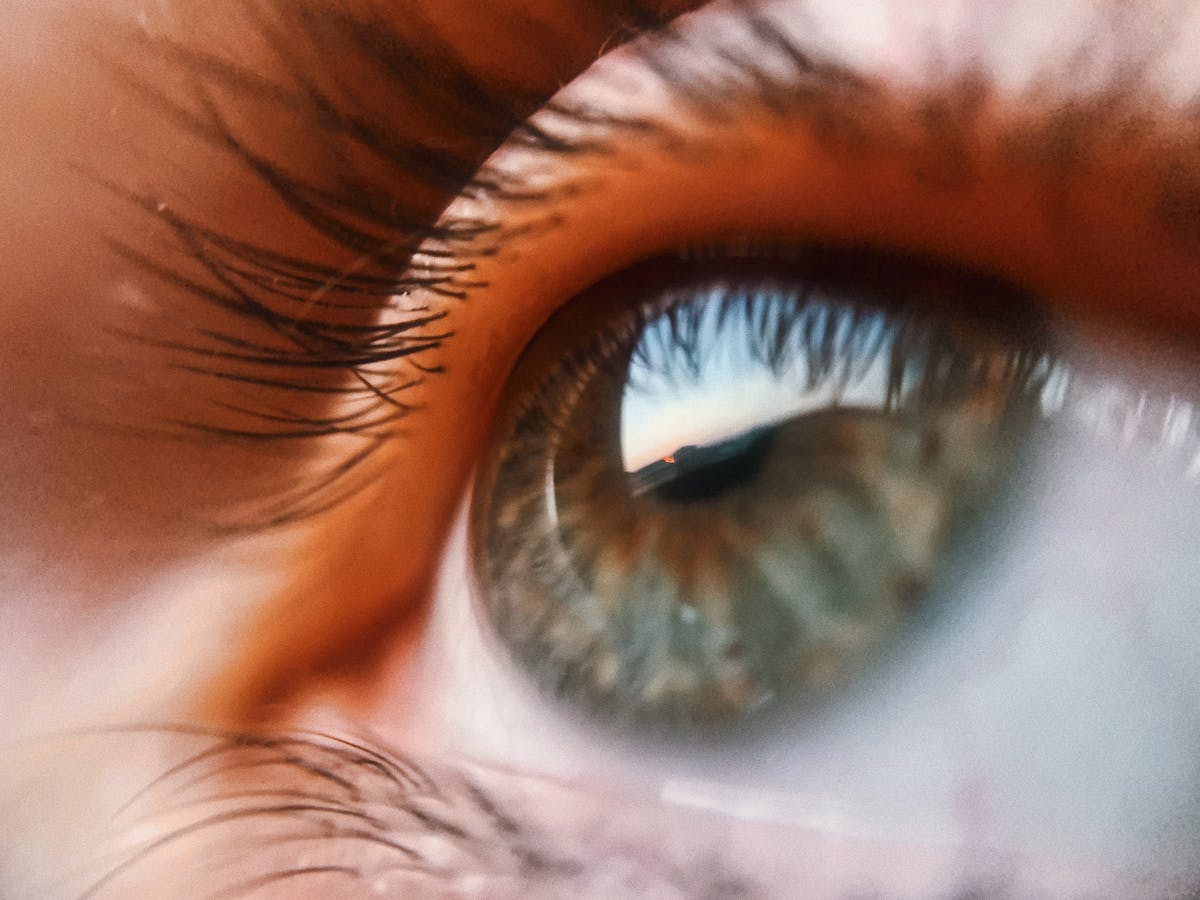
The scorecard
Visibility on dark eyes: hazel wins. Its golden-green base is several shades lighter than a dark iris, so the change is obvious in daylight and even reads on camera. Brown sits close to your natural color — the effect is more texture and depth than a new color.
Believability: brown wins, barely. Nobody questions a brown eye. Hazel still passes as natural because it's a real human eye color, but people who know you may notice something changed.
Low-light performance: brown holds its warmth; hazel darkens toward amber. If most of your wear is evenings out, the gap between the two shrinks a lot.
Hazel: the visible upgrade
A good hazel lens for dark eyes uses an opaque or semi-opaque pigment layer with a warm gradient — golden center, green-brown rim — so it doesn't turn flat or muddy over a dark iris. The result reads as "naturally light eyes," not "wearing contacts." Multi-tonal designs like Pure Hazel or Magic Hazel keep the depth that single-tone lenses lose. Browse the full range in the hazel contacts collection, or start with the hazel picks curated for dark eyes.

Brown: the invisible one
Brown lenses on brown eyes sound pointless until you try them. What they actually do: unify an uneven iris, add a defined limbal ring, and brighten the overall tone one or two steps. Think of it as the eye equivalent of a tinted moisturizer. Mousse Brown and Cloud Brown are typical of the style. The brown contacts for dark eyes edit filters out the shades too close to natural to matter.

How to decide in 30 seconds
Want people to notice your eyes changed? Hazel. Want people to notice your eyes without knowing why? Brown. Wearing them daily to the office? Brown first, hazel for weekends. Filming or shooting content? Hazel — brown's subtlety mostly disappears through a camera.
Still comparing colors beyond these two? The gray vs blue vs green comparison covers the cool side of the spectrum, and the dark eyes master guide explains why opacity matters more than color choice.
The lighting test before you commit to either
Hazel and brown behave so differently across lighting that a 60-second check saves you a returned lens. Daylight is hazel's stage — the golden-green flecks catch sun and the color reads its lightest and most visible; brown stays close to natural. Warm indoor and evening light narrows the gap: hazel deepens toward amber, brown warms up, and the two look more alike than the product photos suggest. Cool office fluorescents flatten both, but hazel holds more visible change. Phone camera exaggerates hazel's lightness and can wash brown out entirely. So the honest rule: if most of your wear is daytime or on camera, hazel earns its keep; if it's evenings and dinners, brown's subtlety costs you almost nothing and passes more easily. Check your pick in all three lights before deciding — the shade that wins in your bathroom mirror isn't always the one that wins where you actually live.
The catalogue is lopsided, and that should change your plan
Here is a fact that decides more of this choice than any colour theory: we currently publish 93 brown designs for dark eyes and 9 hazel ones. That ratio is not an accident of merchandising — it is what the category looks like across the whole market, because brown sells year-round to people who want a subtle change and hazel is a narrower want.
The practical consequence is that "brown or hazel" is rarely a fair fight on availability. If you pick brown you are choosing from roughly ten times as many prints, which means you can be specific: a particular warmth, a particular limbal ring weight, a particular diameter. If you pick hazel you are choosing from a short list, and if the one you want is out of stock the nearest substitute may be noticeably different rather than a near-match.
So a realistic approach: decide the effect first, then check what actually exists. If you want a visible lift and the hazel design you like is in stock, take it. If it is not, a warm light-brown with a defined rim gets you most of the way there and there will be a dozen of them available.
Size changes "natural" more than colour does
This is the part most comparisons skip, and it is the single biggest predictor of whether anyone notices you are wearing lenses.
14.0mm sits at the edge of a typical iris. No enlargement at all — the eye stays exactly its own size and only the colour changes. This is the size that passes at work and in daylight, and it is where most of the convincing brown and hazel designs live.
14.2mm is a fractional lift. Read as "well-rested" rather than "enlarged" — the effect people usually mean when they say a lens looks natural but better.
14.5mm extends visibly past the iris edge. On camera it reads as a bigger eye; in person at conversational distance most people register something, even if they cannot say what. Excellent for photos, obvious in daylight.
Both colours in this comparison exist across all three sizes, so if your last pair looked "off" and you blamed the colour, check the diameter on the box first. A hazel at 14.0mm and the same hazel at 14.5mm are two different decisions.
If you wear glasses, the comparison is not close
Corrective powers are where the lopsided catalogue bites hardest. Of the brown designs for dark eyes currently in stock, 15 carry corrective powers — several across a 22 to 26 step range. On the hazel side the number is one.
That means if you need correction and you want a natural everyday lens, brown is effectively the category and hazel is the occasional exception. The alternative is plano hazel plus glasses, which defeats the purpose for most people buying a natural lens in the first place.
Entry points in the corrective brown range start around $21.98 — Polar Lights Brown and Smoky Marble both run 26 power steps. Worth knowing: Cleopatra Hazel at $22.98 is the hazel-leaning design that does carry powers, across 22 steps. As always, the power selector on the product page is the authority — it is generated from real stock.
Four pairs to start with
All in stock as of this writing. One order is one pair, which is two lenses.


Browse the rest in hazel for dark eyes and brown for dark eyes, or the wider natural range if neither shade is quite it.
How to read a product photo before you buy
Every lens in this comparison lives or dies on one thing: how much of your own iris it lets through. Product photos tell you that, if you know what to look at.
Look at the pupil edge, not the middle. The area immediately around the pupil is where a translucent print gives itself away — you will see the wearer's own dark brown bleeding through as a halo. A dense print holds its colour right up to the clear optical zone. On dark eyes, that halo is the difference between "new eye colour" and "brown eyes with a tint".
Check whether there is an outer ring, and how heavy. A darker limbal ring does two jobs: it hides the transition where the print stops, and it gives the iris a defined edge that reads as natural rather than as a disc sitting on the eye. A heavy ring reads dramatic; a fine one reads real. No ring at all on a light shade usually means the lens will look flat on a dark iris.
Compare the flat lens shot to the on-eye shot. Lenses photographed against white always look more saturated than they wear, because there is no dark iris underneath doing its work. If a listing only shows the flat shot, treat the colour as an upper bound rather than a preview.
Ignore the eye the model was born with. This is the one that catches people out across the category — a hazel photographed on a light hazel eye tells you nothing about how it lands on deep brown. Look for on-eye photography shot on a dark iris, which is the base this catalogue is designed around.
Matching the shade to your colouring
Both shades work on deep skin tones and on dark hair — the idea that light lenses only suit light features is a myth that comes from lenses being photographed almost exclusively on pale eyes. What actually varies is which direction of the shade flatters.
Warm colouring — golden or olive undertones, warm brown or black hair. A warm hazel or a light ochre brown extends what is already there and reads as your own eye in good light. Cool greige shades can look slightly grey against warm skin, which is a look, but a deliberate one.
Cool colouring — neutral or pink undertones, ash-toned hair. A greige hazel or a cool-leaning brown sits more comfortably than a golden shade, which can read orange in daylight.
If you are unsure, the safer first purchase is a brown one or two shades lighter than your natural iris rather than a hazel. It changes the depth of your eye without changing the colour family, so nothing clashes, and it is the version people compliment without identifying.
Makeup matters less here than most guides claim. The one reliable pairing: a defined lash line makes any natural lens look more intentional, because it gives the eye a frame that matches the lens's own outer ring.
FAQ
Do hazel contacts look natural on dark brown eyes?
Yes, if the lens has an opaque warm-toned pigment layer. Hazel is a real eye color, so the change reads as genetics rather than lenses. Thin-tint hazel lenses, by contrast, mostly vanish over a dark iris.
Is there any point wearing brown contacts over brown eyes?
Yes — enhancement, not transformation. Brown lenses even out iris texture, add a crisp limbal ring, and lift the tone a shade or two. The effect is subtle in person and often described as "you look more awake."
Which is safer for a first-time wearer?
They're the same lens material with different pigment, so neither is "safer." Both come in plano (0.00) and the full prescription power range; comfort comes down to fit and wearing habits rather than color. See our safety guide for the basics.
Can I wear hazel or brown lenses to work?
Both are office-safe. Brown is undetectable; hazel gets read as naturally light eyes. These two are the standard recommendation for professional settings where gray or blue might draw questions.
Which is more natural on dark brown eyes, hazel or brown?
Brown, marginally — nobody questions a brown eye, so a brown enhancer is undetectable. Hazel still reads as a real eye color, so it passes as "naturally light eyes," but people who know you well may sense a change. If total invisibility is the goal, brown; if you want a visible-but-believable upgrade, hazel.
Can I wear hazel or brown contacts every day?
Both are office-safe and daily-friendly. Brown is the ultimate no-questions everyday lens; hazel gives you a lit-from-within lift that still reads professional. Many people keep both — brown for low-key days, hazel for when they want the eyes to do a little more.
Can I get hazel or brown contacts with a prescription?
Brown, easily — 15 brown designs for dark eyes are in stock with corrective powers right now (16 published in total), several across 22 to 26 steps, starting around $21.98. Hazel has one. If you need correction and want a natural everyday lens, brown is effectively the category.
How many hazel and brown designs are there?
93 brown designs for dark eyes against 9 hazel, at the time of writing. That ratio is worth planning around: with brown you can be specific about warmth, ring weight and diameter; with hazel, if your pick is out of stock the nearest substitute may be noticeably different.
Which diameter looks most natural?
14.0mm, which sits at the edge of a typical iris and changes colour without changing size. 14.2mm gives a fractional lift that reads as well-rested. 14.5mm extends visibly past the iris and is the one people notice. Both shades exist in all three.
How much do natural brown and hazel lenses cost?
$16.98 to $34.98 a pair across the natural range for dark eyes. Corrective designs start around $21.98. One order is one pair, meaning two lenses.
How do I tell from a photo whether a lens will show on my eyes?
Look at the area right around the pupil — a translucent print lets your own dark brown bleed through as a halo, a dense one holds its colour to the optical zone. Then check for a darker outer ring, which hides the transition and makes the iris read as real rather than as a disc. Judge from on-eye photos shot on a dark iris, not from the flat lens shot.
You might also like
Picked to match this guide — every pair in stock now.
 Cleopatra Hazel Prescription Colored Contact$22.98per pair (2 lenses)
 Golden Green Hazel Contact Lenses for Dark Eyes - Halo Hazel$22.98per pair (2 lenses)
 Vision Brown Colored Contact Lenses$22.98per pair (2 lenses)
 Daily Disposable Dna Taylor Brown Hazel Colo$34.98per pair (2 lenses)
Explore more: Natural Colors → · Natural Contacts → · Brown Contacts →