








Can You Sleep in Colored Contacts? Naps, Overnights, and What to Do If You Did
Remove daily-wear colored contacts before any nap. If you woke up wearing them, learn when to seek help, what not to put in your eye, and how to prepare for late nights.

Take colored contacts out before you sleep, including a short nap, unless your eye care professional has specifically prescribed that exact lens for overnight wear. A colorful print does not change the wear schedule. If you have already fallen asleep in a pair, do not treat a quiet eye in the morning as proof that repeating it is safe. Remove the lenses carefully, watch for symptoms, and ask your eye care professional about anything that does not feel normal.
The decision often arrives at the worst moment: makeup is still on after a concert, a ride home is late, and “twenty minutes” on the sofa becomes the night. Prepare for that moment while you are alert. Keep clean hands, the care system recommended for your lens, a case if the lens is reusable, and backup glasses within reach. A daily disposable goes in the trash after its scheduled use; a reusable lens follows its prescribed cleaning and storage instructions. Neither replacement label grants permission to sleep in it.
This guide is about daily-wear cosmetic lenses. Some contact lenses have an extended-wear schedule, but that is a property of a specific prescribed lens and an eye-care decision, not a feature you can infer from a listing title, price, color, or “yearly” replacement label. The replacement-cycle guide explains the separate calendar question; it does not turn a yearly lens into an overnight lens.
Why the short nap matters
The practical rule is the same for a nap and a full night: avoid sleeping in a lens that is intended for daily wear. The CDC's prevention guidance says to avoid sleeping in lenses unless directed by your eye care provider and to remove them before sleeping. The CDC also distinguishes daily wear from extended wear in its guide to lens types. A replacement interval tells you when to replace a lens; a wear schedule tells you when it may stay on your eye. They answer different questions.
Sleeping in a lens raises the risk of contact-lens-related infection, as the CDC prevention guidance explains. That does not mean everyone who accidentally naps will develop one, and it does not justify a precise prediction for your eye. It does mean “I did it once and felt fine” is a poor safety test. The useful takeaway is to change the habit, not to calculate a personal safe number of minutes from someone else's experience.

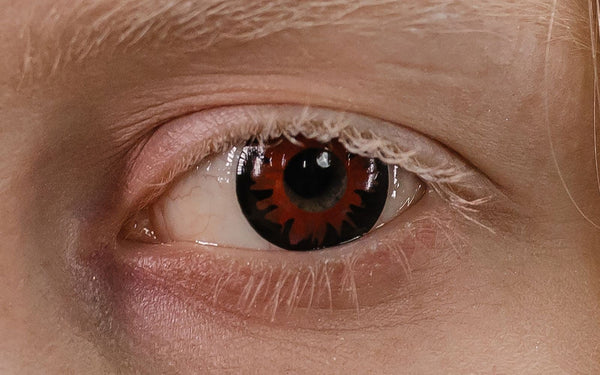
A costume lens can make the exception feel tempting because it is worn for a party rather than a workday. The eye still needs a fitted, prescribed lens and the correct wear schedule. If late-night handling is likely to be difficult, plan to remove the lens earlier, while you are alert and near clean supplies. Do not let a late event or a full face of makeup override the same care plan you would follow with a clear lens.
If you woke up with contacts in
First, pause and assess the eye. Pain, increasing redness, light sensitivity, discharge, or blurred or reduced vision warrants prompt contact with an eye care professional. The FDA's lens-care guidance says to remove lenses and consult a professional when eyes become red or irritated or vision changes. If removal is difficult, do not pull hard on a lens or use a fingernail. Contact a professional for help rather than injuring the eye while trying to fix the situation yourself.
When removal is straightforward, wash and dry your hands and follow the removal method taught for that particular lens. Your eye care professional may recommend a compatible lubricating drop if a lens feels dry or immobile; check that advice for your lens and solution before using a product. Never use tap water, saliva, or improvised liquid to loosen, rinse, or store a contact. The FDA explains why water and reused solution are poor substitutes for the care system supplied for contact lenses.
Do not immediately put the same pair back in just to finish the look. If the lens is a daily disposable, discard it. If it is reusable, follow the cleaning and disinfection instructions for the exact product, and ask your professional when it is appropriate to resume wear. A new pair is not a treatment for a painful or red eye. Use your backup glasses while you get advice. If symptoms persist or worsen, seek timely examination; online symptom lists cannot diagnose a corneal problem.

Build a removal plan for late nights
Make the plan before the event: know where you can wash and dry your hands, carry the appropriate solution and case for a reusable pair, and keep glasses available if you need vision correction. If you expect to fall asleep in a car or on a sofa, set a reminder to remove the lenses earlier. Photograph your costume before taking them out, rather than extending wear to preserve a look that is already documented.
Keep makeup removal in the right order. Take lenses out with clean hands before removing eye makeup so cleanser and pigment are less likely to reach the lens; the makeup-order guide covers that sequence. Do not share a lens with another performer or use someone else's case. Use fresh solution rather than topping off yesterday's liquid. These are practical habits, not a guarantee against infection.
For a convention or Halloween night, distinguish three clocks: the time of the event, the wear time approved for your fitted lens, and the replacement date for that pair. The event ending late does not move the other two. If you are comparing a daily pair with a yearly replacement pair, read the actual instructions and confirm the fitting; the first-time colored contacts guide explains why plano lenses also need professional fitting.
What to check before buying another pair
A different color is not a way to solve a sleep problem. Ask for the exact prescribed model and wear schedule, then confirm the variant on the product page. “For 1 pair” describes the sales unit, while “12 months” describes a replacement interval; neither is an overnight-wear claim. Prices and availability may change, so check the current page rather than doing cost-per-night math with an old screenshot. If your evening routine makes removal consistently difficult, discuss a workable lens and glasses plan with an eye care professional before buying.
The related costume-color pages below are style comparisons for a properly fitted daytime routine. They are not recommended for sleeping, and their photos do not demonstrate that a lens will fit your eye. If a grid-style costume pair is part of your look, read the mesh visibility guide before relying on it for a late-night event. Color selection comes after the care question has been answered. A calm, repeatable removal routine is more valuable than trying to find a color that makes a bad routine feel acceptable.
FAQ
Can I take a 20-minute nap in colored contacts?
Plan to remove daily-wear lenses before any nap. The CDC's guidance does not create a safe 20-minute exception. If your professional prescribed a particular extended-wear lens, follow the instructions for that exact lens rather than applying the exception to a decorative pair.
Are yearly colored contacts safe to sleep in?
“Yearly” addresses replacement, not overnight wear. Check the prescribed wear schedule and the product's instructions. Do not infer it from a price, a product title, or a similar diameter.
What if my lens feels stuck when I wake up?
Do not pull forcefully or put water in your eye to free it. Follow the method your professional taught, and contact them if the lens does not move easily or you have pain, redness, or vision changes.
Should I put a fresh pair in after an accidental nap?
Not automatically. Remove the slept-in lens and assess the eye. A fresh pair does not address irritation or possible infection; seek professional advice for symptoms before resuming wear.
Do colored contacts need different sleep rules from clear ones?
The relevant distinction is the prescribed model and wear schedule, not the pigment. Decorative lenses still require a prescription and proper fitting. Follow the instructions for the exact pair you wear.
You might also like
Mesh costume styles for a professionally fitted daytime routine; none is an overnight-wear or fit solution.
 Red Mesh Colored Contact Lenses – Red Grid Screen Eye$26.98per pair (2 lenses)
 Blue Mesh Colored Contact Lenses – Blue Grid Screen Eye$26.98per pair (2 lenses)
 Green Mesh Contacts for Dark Eyes – Grid Screen Colored Lenses$26.98per pair (2 lenses)
 Yellow Mesh Colored Contact Lenses – Yellow Grid Screen Eye$26.98per pair (2 lenses)
Explore more: Dark-eye styles → · Brown contacts → · Gray contacts →